Monocacy National Battlefield, Frederick, Maryland
On an undeveloped plot of land outside of Frederick, Maryland, sits a collection of old farmhouses and a scattered collection of monuments: the New Jersey 14th; the Pennsylvania 67th, 87th, 138th; and the Vermont 10th. This National Park Service site commemorates the Battle of Monocacy, the northernmost Confederate victory of the war. Jubal Early wanted to divert the Union army from the siege at Petersburg by attacking Washington itself, but the forces of these northern regiments, in their defeat, managed to delay Early’s march for a day. This gave the Union needed time to reinforce the capital, and forced the Confederates to retreat back to Virginia.
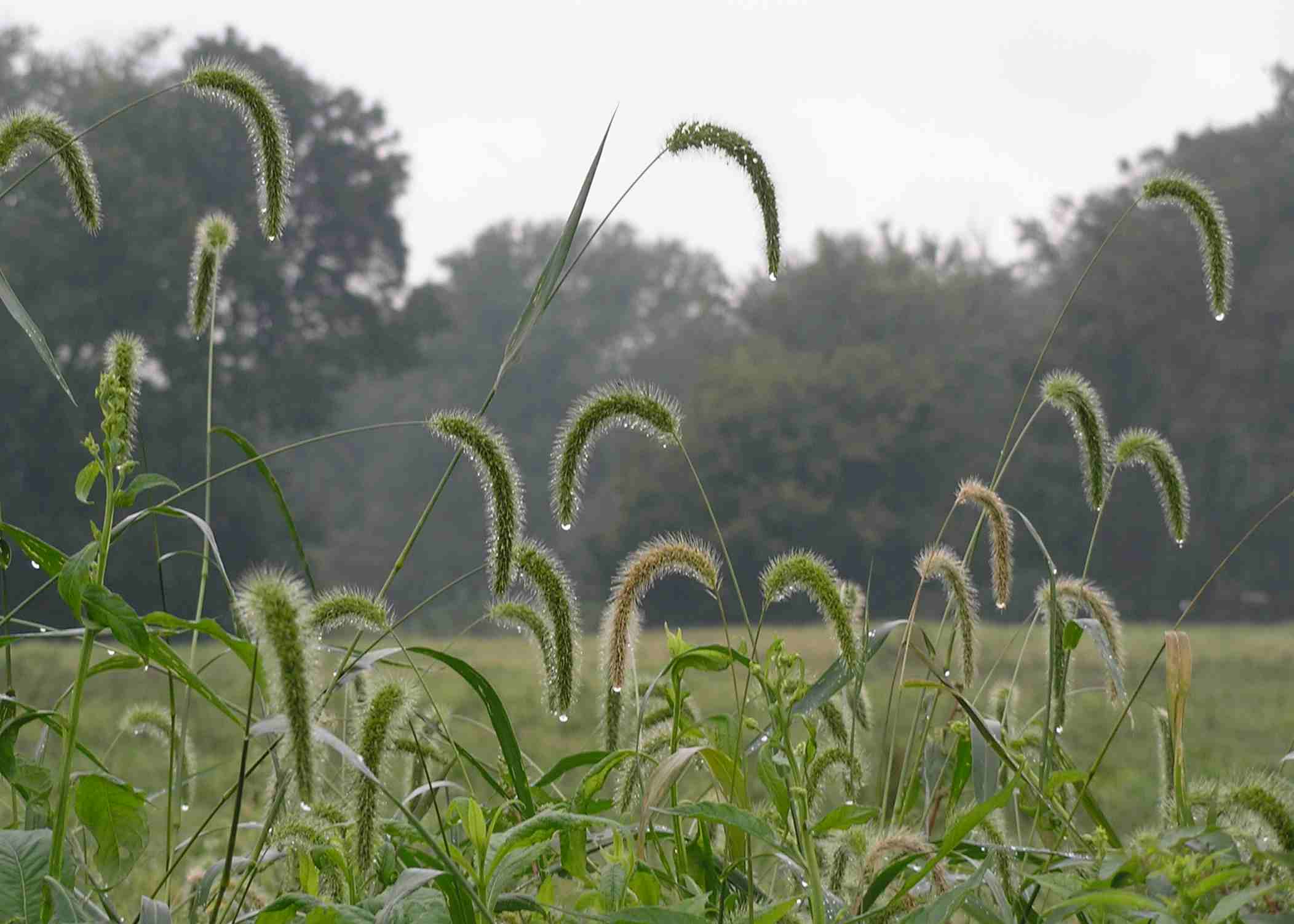
I visited Monocacy during a grand tour of Civil War sites. During that road trip, I visited the major battlefields of Antietam, Gettysburg, Manassas, and Fredericksburg. Those are famed, well-known, and oft-visited, but it was Monocacy that moved me the most. The day was drizzly, the gloomiest of the entire trip. The tourists who thronged the famous battlefield parks were missing, mine was the only car in the lot. I headed out into the mist, and along the path, took my favorite picture of any of the various Civil War sites. There’s no monument, no cannon, no building, no plaque, nothing but the weeping grass, heads bowed, reflecting a nation grateful for the sacrifices of our forebears.
Monocacy is quiet now But once its banks ran red With blood of men from North and South Which poured out from the dead
To save the city, Lew would take Those under his command And track down Jubal Early’s match To stop and take a stand
They held the bridges for a while Then burned a wooden one While soldiers held the second path Til they were overrun
But though the Yankees called “retreat” The day had turned to night Confederates would halt the march DC delayed its fight
Allowed the reinforcements time Defenses to be manned Instead of Early in gates The capital would stand
Minuteman Missile National Historic Site, near Philip, South Dakota
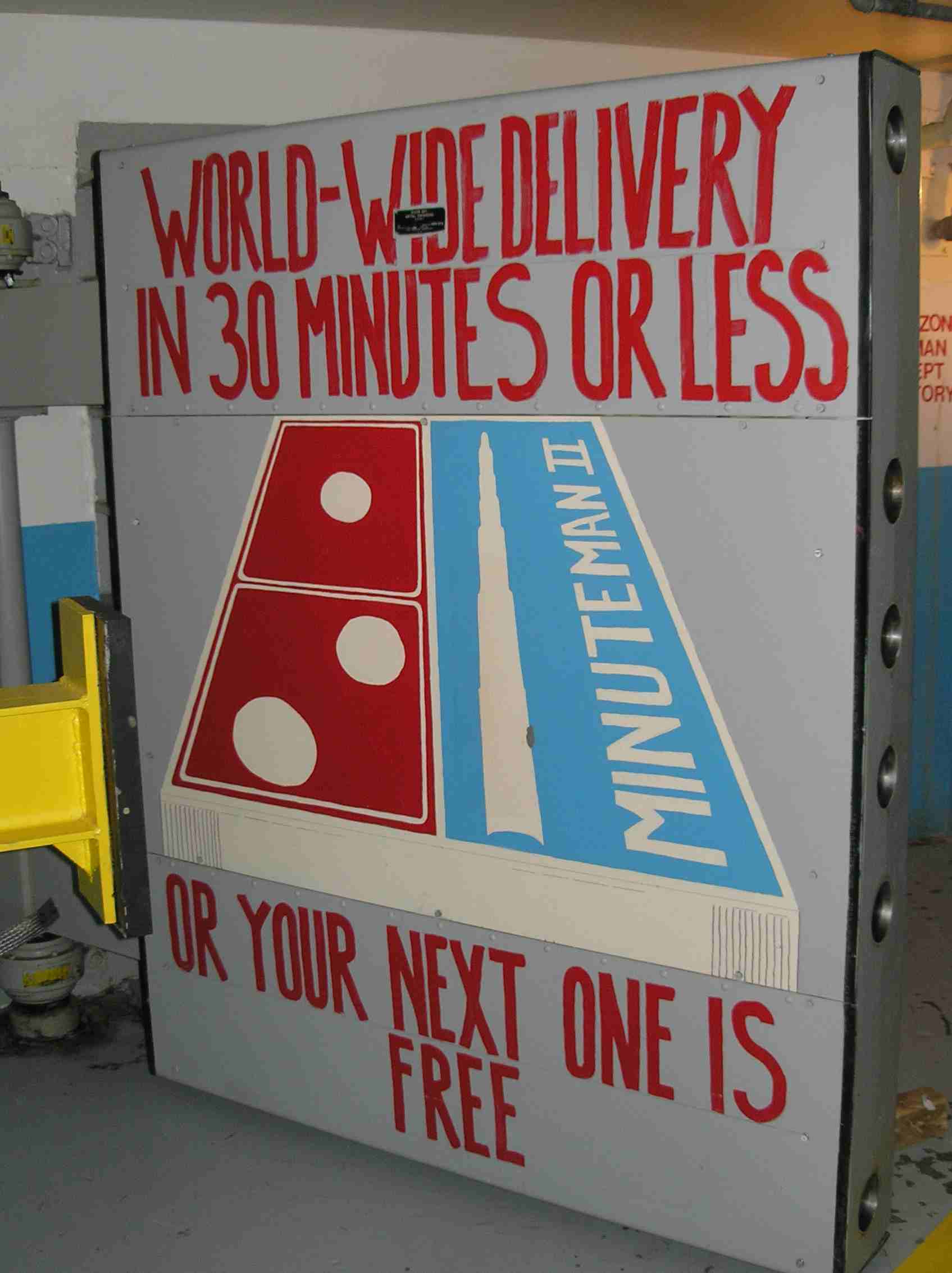
On the plains of South Dakota, just off Exit 127 on I-90, north of Badlands National Park, sits a building whose most flattering description would include the words “tan” and “bland”. The only thing vaguely interesting about it are the satellite dishes in the yard and the chain-link fence with “Restricted Area” in a barely-readable font. You might be surprised by its purpose, but probably not, because the only reason you’d even be on this empty road, avoiding the occasional pronghorn antelope, would be to visit the Delta-01 control facility for the 66th Strategic Missile Squadron, 44th Missile Wing. This is one of many places that had a very simple task: be prepared to end the world. You’d expect visitors to such a place would be met with a sense of fear, or perhaps awe, or maybe a little megalomania.
I found it hilarious.
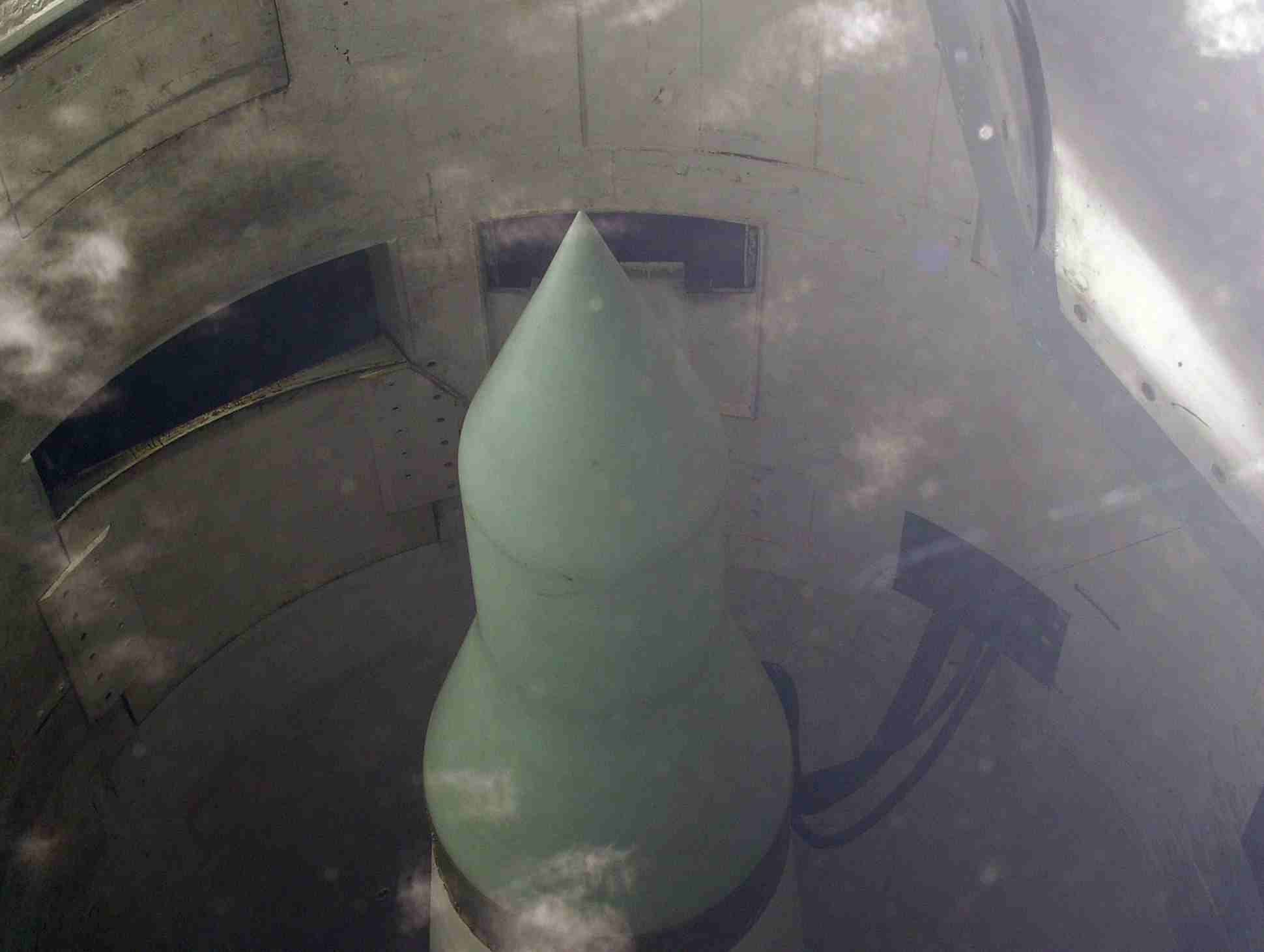
Finger of Death
Highly-trained personnel lived in this oversized, vinyl-sided, ranch house, trained to turn two keys, in tandem, in order to launch Minuteman II missiles, each with 6,300 mile range, and topped with a 1.2 megaton (at least) warhead. These death machines were part of a “countervalue” attack strategy: designed to eliminate 30% of the population, and 50% of the industry, of the U.S.S.R. The term we used was “mutually assured destruction”, a truly horrific concept.
Yet, still, I found it hilarious.
There are multiple reasons for this, including the possibility that I’m simply a sick son of a bitch. It could also be that the entire concept is ludicrous: two world powers spent billions of dollars convincing the other that we’d blow you to hell if you try to blow us to hell. Yeah, let’s do that, instead of trying to figure out how to get along, or simply letting each other do our own thing. Well, at least we’d all be in hell together, I suppose. Maybe then we’d get along, amongst the brimstone, sulfur, and endless HOA meetings.
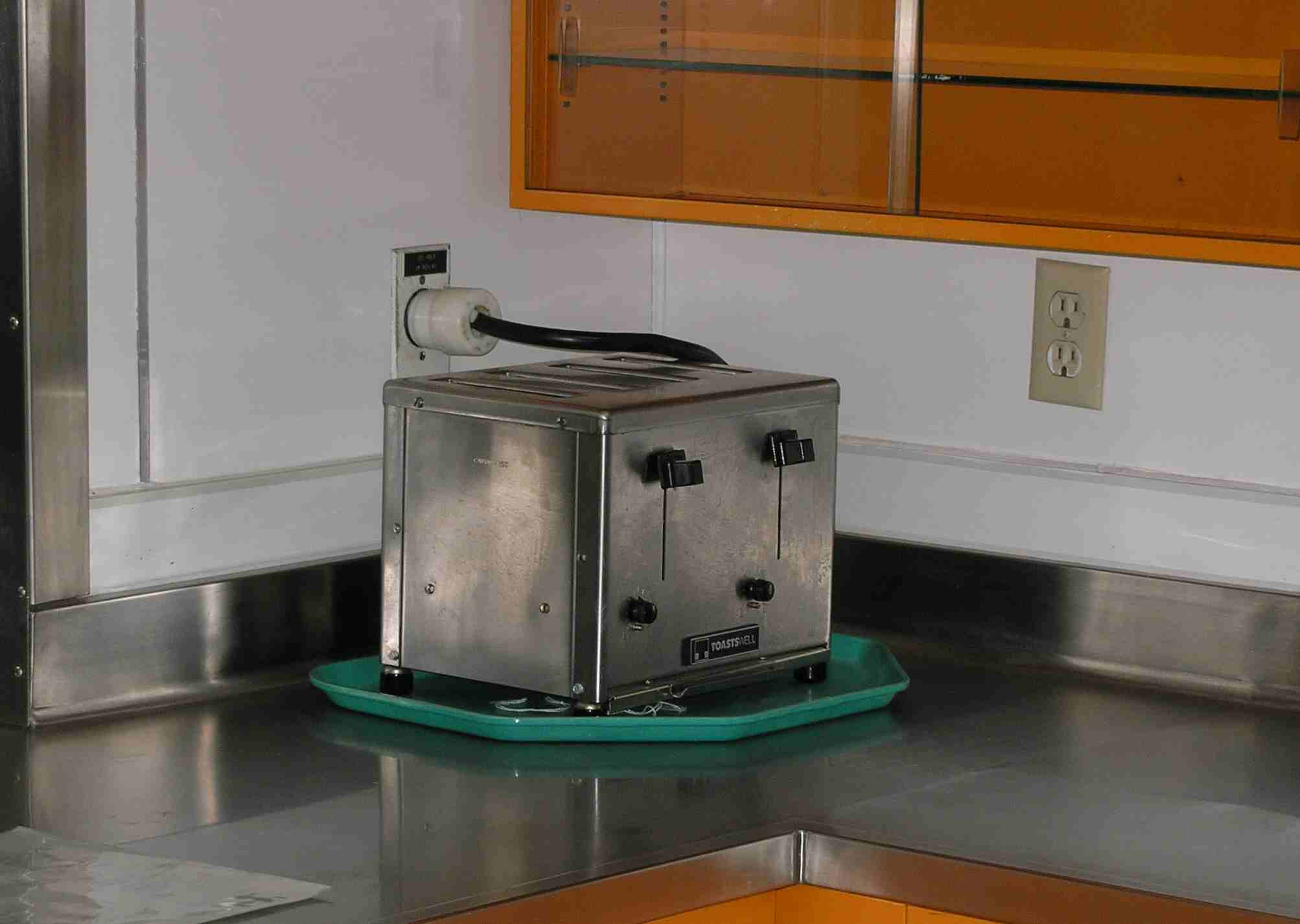
Behold the Three-Phase Toaster!
There’s some psychology at work here. People can respond to unfathomable terror in at least two ways: cower in fear, or laugh at the inanity of it all. It’s not just a coping mechanism, but it also helps in problem solving. If one can laugh at something, it diminishes the magnitude, allowing one to redirect the energy eaten up by stress to the analytical part of the brain. Of course, as we’ve seen by the state of our political discourse, the analytical part of the brain is a rarely-used resource. There’s no doubt as to why we were never able to resolve our Cold War differences.
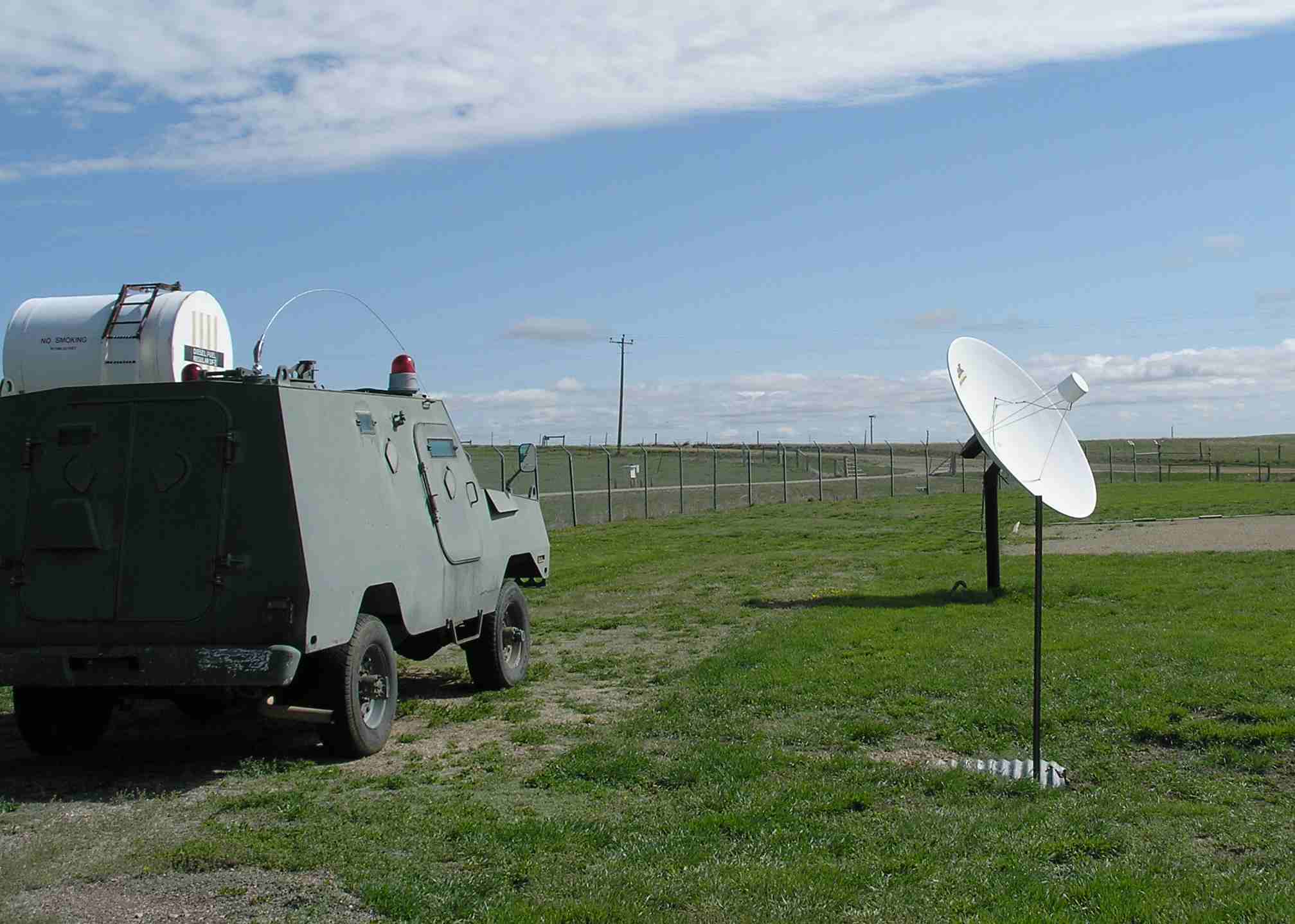
Our tour guide at Minuteman NHS leaned into the hilarity, pointing out the cathode-ray tube computer displays; analog rotary-dial telephones; the collection of 70’s boardgames to help airmen fight boredom; an armored vehicle — looking more like a torture device than a truck (a clear inspiration for Elon Musk) — for patrolling missile sites; and the rusty Weber grill and charred coffee can used to burn paper cypher keys, all considered “historical artifacts” by the National Park Service. I lived through the 70’s & 80’s, the idea that any of it comprises a “historical era” is hilarious by itself. The only things missing are the avocado green bathroom fixtures ….
Satellite TV and a Prototype Death Trap Cybertruck
All joking aside, it is frustrating that we lived through those years of nuclear testing, duck-and-cover drills, shoe-banging U.N. speeches, state-sponsored coups, and proxy wars, all for nothing. We still have madmen at the helms of the largest world powers, we’re still arguing with each other instead of working together, we’re still not stepping out from behind our own patriotic flag-waving and media-fueled rage to look and see that most of our differences are simply tropes used to manipulate public opinion.
Yet, regardless of any of that, we still have our ability to laugh at the inanity of it all, and redirect our energy to solving the problem. If only we would.
Guaranteed
[AI was not used to research or write any part of this essay. Pictures are mine and thusly copyrighted].
Minuteman National Historical Park, Lexington & Concord,Massachusetts
I was eleven years old for America’s bicentennial in 1976. That’s an incredibly impressionable age, and the festivities left a significant mark on me that lasted my whole life. I remember the Tall Ship parades in New York and Boston harbors; the bicentennial parade in Washington; and the general feeling of pride and patriotism across the nation. A field trip took us to see “1776” in our local cinema, and being good Massachusetts boys & girls, we applauded when William Daniels as John Adams rose to sign the Declaration during the final, climactic moment. I even lobbied to rename our candlepin bowling team to “Minutemen”, although I was heavily outvoted (being the worst bowler in the entire league didn’t give me any cred).
The Battle of Lexington and Concord reached mythic levels in my home state, the “shot heard ‘round the world” even hit Schoolhouse Rock. For natives, it’s second only to the Battle of Bunker Hill, which is actually the Battle of Breed’s Hill (if anyone from Massachusetts fails to correct this in conversation, they might be an extraterrestrial). What they might not correct, for many still misunderstand, is who the famed Minutemen actually were.
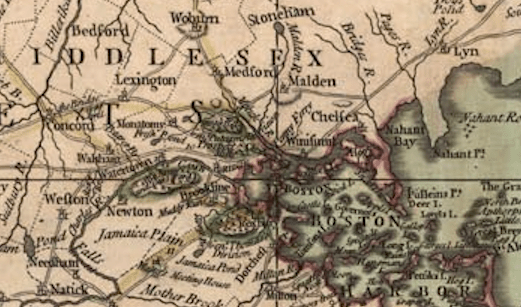
Ancient Massachusetts
The great misconception is the Minutemen were a ragtag bunch of citizen soldiers. That does them a great injustice. First of all, many of these men were veterans of the French & Indian War (aka the Seven Years’ War in European parlance). They knew how to fight, knew how to respond quickly to tense situations, and (being on the receiving end many a time), understood guerrilla tactics. They continually trained in their home towns, keeping their muskets ever at the ready. They were also readying for conflict with the British regulars, having established many caches of weapons and ammo throughout New England. Meanwhile, the British Regulars (the “Redcoats”) weren’t as seasoned. The European theater of the Seven Year’s War took a significant toll on the British army, most Regulars serving in North America were new recruits, or even victims of impressment. They had little, if any, personal commitment to the causes of Britain, especially regarding a foreign land across an ocean. The Minutemen, however, knew the stakes.
The Colonials weren’t just sparring over Stamp Acts and Intolerable Acts and tea parties, there was another existential threat hovering out there, driving them towards rebellion. Another British colony, fully subjugated, treated it’s citizenry as no better than serfs. No property rights, the results of their labor exported to the mother country, and beset with near-famine conditions that took nearly 400,000 lives in the 18th century. Ben Franklin learned of the conditions in Ireland, and made it his mission to inform everyone in the Colonies of those travesties.
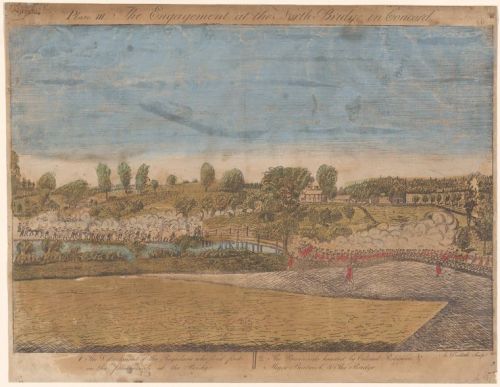
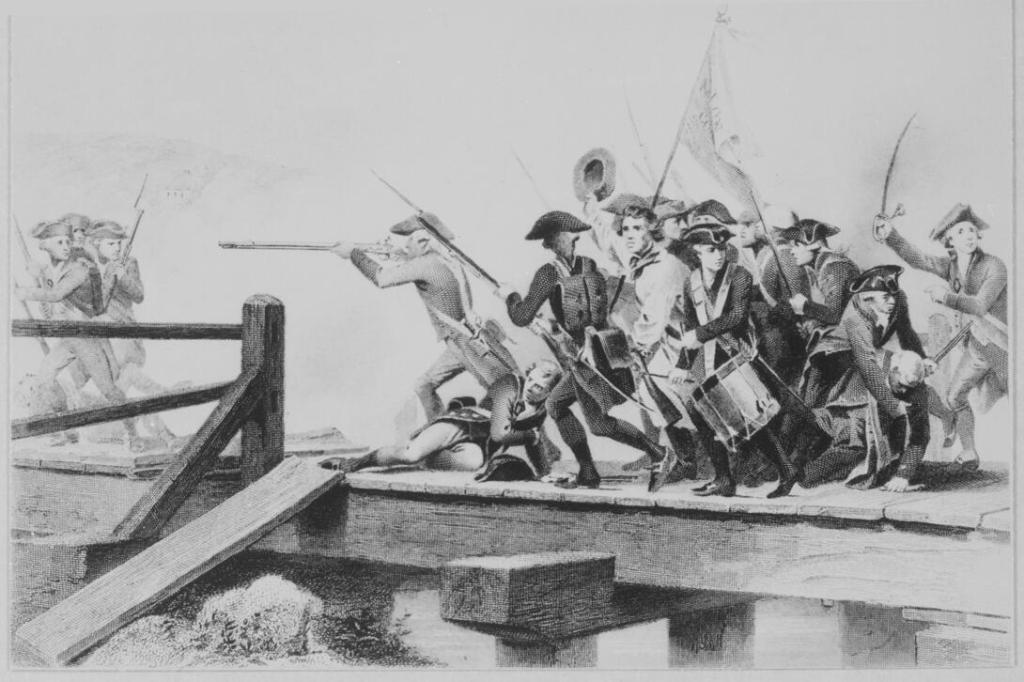
Doolittle Engraving Plate III: The Engagement at the North Bridge in Concord (1775, New York Public Library Digital Collections)
Franklin’s missives did not sit well in Massachusetts: with its shipbuilding and mercantile industries, it was the wealthiest colony per capita. Most of the population were property owners, owning the land on which they farmed, and keeping or selling the fruit of their labors as they saw fit. These Minutemen, therefore, had everything to lose if King George had his way. It’s no surprise that when the word spread to the surrounding towns and farms that the Redcoats were on the move, 4,000Minutemen showed up to defend the town of Concord. Thousands more were on their way, from the western counties as well as neighboring Connecticut and Rhode Island. New Englanders were dead serious about defending their rights, that’s for damned sure.
With stories like that, it’s no surprise this Massachusetts boy would grow up with a strong sense of patriotism. I’ve held onto the presumed American ideals as best as anyone can into adulthood. The principles of liberty, freedom, equality, perseverance, and the continual effort to make things better for all have been more important in my life than anything I picked up in parochial school. I have to admit, though, the events of the past ten years are straining these principles, and draining that sense of patriotism.
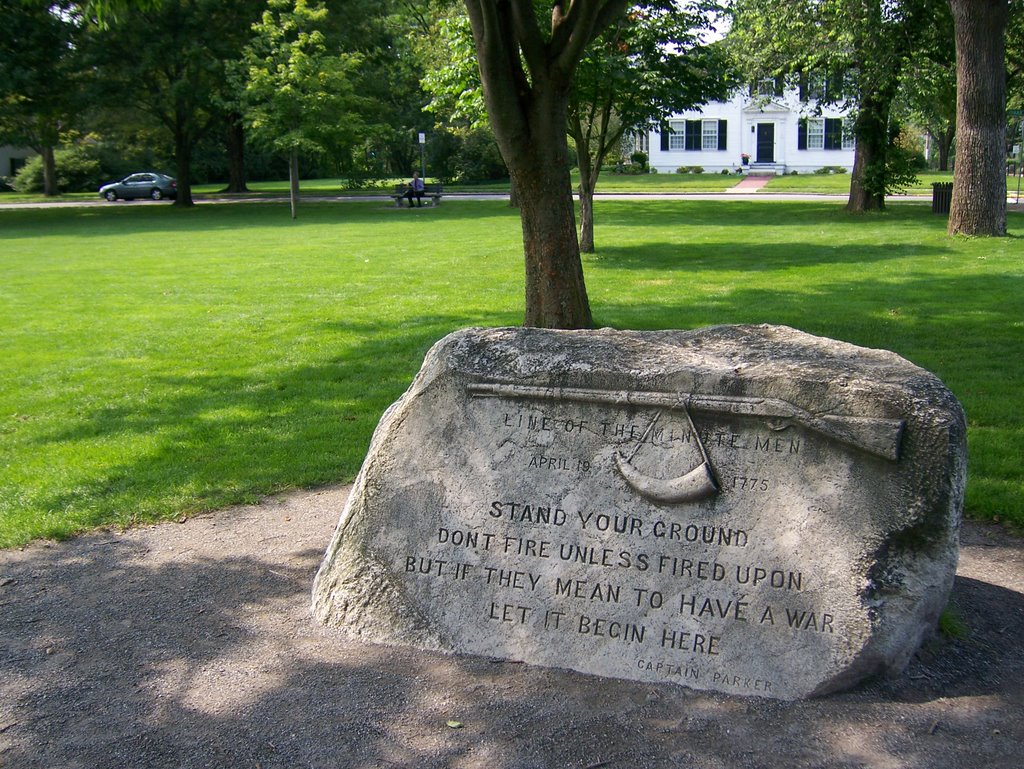
Lexington Monument
It’s been said that a country is only as good as its people, and in a democracy, that’s doubly, or even trebly, so. We can complain about the process, or the back-room dealings limiting our choices, or the oligarchs using their financial abundance to hold their thumb on the scale, but in the end, we still have choices, quite likely the most choice any people has ever had in determining their country’s direction in all of human history. Yet what did we do with this power of choice? Elect a twice-impeached, four-times-indicted former president; whose first term was the most corrupt administration of the modern era; who inspired a riot in Washington, D.C., where his followers attacked police officers with flagpoles and smeared their shit on the walls of the Capital.
The Minutemen marshaled to fight for their freedom and keep their families out of serfdom. Two hundred and fifty years later, MAGA fights for the “right” to strip jobs from minorities under an “anti-woke” agenda; to strip the right to control their own person from millions of women; and for masked men to beat up immigrants and shoot protestors dead in the streets. Oh the difference a couple of centuries makes ….
The Struggle at Concord Bridge (copy of engraving by W.J. Edwards after Alonzo Chappel, circa 1859. National Archives.)
Recently, I’ve felt some of my patriotism returning. I’ve been reminded the last election was won by a plurality of votes, not a majority, that provides a wee bit of comfort. Current presidential approval ratings are in the toilet, the worst of any president at this stage of their presidency since modern polling began. This is mostly because of the economy, of course, and not any of those high-fallutin’ concepts of “liberty”, but I’ll take it as a win. Cracks are certainly showing in the MAGA coalition, with some senators even showing some backbone by pushing back on the $1.8B MAGA slush fund. Maybe these are signs Congress might return to doing their fundamental check-and-balance duties.
I guess there’s some hope out there. Slim, I suppose, but better than none. I’ll take it.
[Sadly, I did not have a digital camera when I visited Minute Man National Historical Park. Pictures posted are not mine]
Mary McLeod Bethune Council House National Historic Site, Washington, DC
In 1936, nearly 80% of Black voters cast their ballots for Franklin Delano Roosevelt. This represented a massive shift in the electorate: in 1932, Herbert Hoover won the majority, but four years later (thanks to Roosevelt’s popular social programs), they voted Democrat in a major way. Partly as a reward, and partly as an acknowledgement that even his programs weren’t addressing Black poverty as well as they could, he created the Federal Council on Negro Affairs, also known as the Black Cabinet, with Mary McLeod Bethune at the helm.
Born in 1875 in Mayesville, South Carolina, Mary Jane McLeod was one of seventeen(!) children of former slaves Sam and Patsy McLeod. She had a very typical childhood for second-generation ex-slaves: recipient of derogatory remarks from former slaveowners; witness of White mob violence against Blacks on thinly fabricated charges; and observant of the reality that Black communities had less material wealth and opportunity than their White counterparts. Always interested in educating herself, she attended seminary from the ages of 13 to 19, initially intending to become a Presyterian missionary in Africa, but eventually fated to serve her own countrymen. Mary McLeod — later Mary McLeod Bethune when she married Albertus Bethune — taught Black children for several years, eventually starting her own school, the Educational and Industrial Training School for Negro Girls, in Daytona Beach in 1904. She charged 50 cents for tuition, and raised more money selling sweet potato pie and ice cream to local workers. She eventually bought land from an adjacent dump, upon which she built Faith Hall, and over two years, enrollment increased from five to 250 girls.
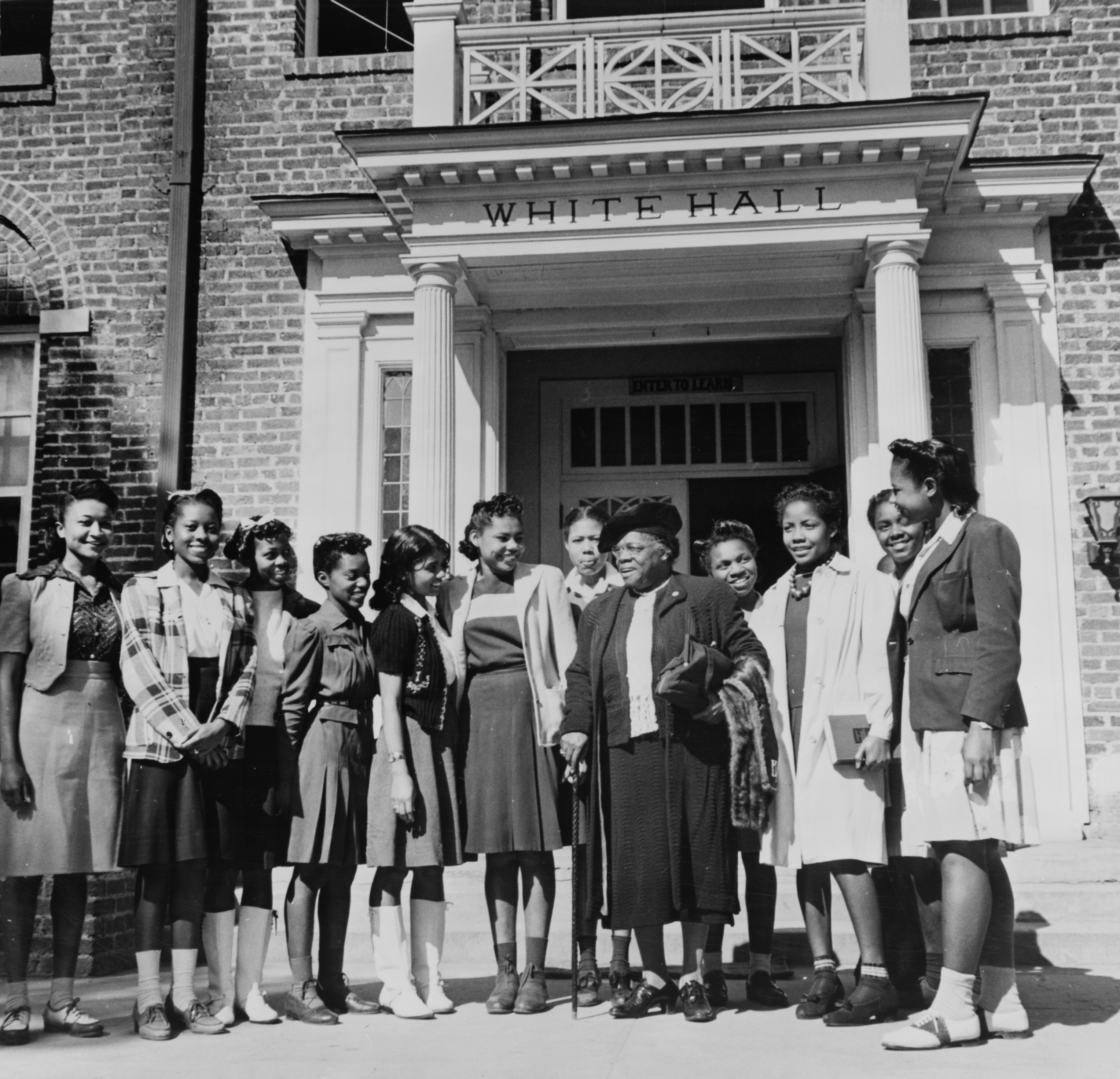
Mary McLeod Bethune with a group of students in 1943 By Gordon Parks – image is available from the United States Library of Congress’s Prints and Photographs division
She learned from Booker T. Washington the importance of gaining support from White benefactors. In the process, she came to know several, like James Gamble (of Procter & Gamble), Ransom Olds (of Oldsmobile fame), and John D. Rockefeller. By far, however, her relationship with Eleanor Roosevelt was most beneficial. By 1923, with the help of these and other supporters, she merged the school with another Black institution to form what was eventually named Bethune-Cookman College (still in operation as the private Bethune-Cookman University).
As if running a college wasn’t enough, she tackled inequities in health care. Daytona Beach did not contain a single hospital that would take Black patients, regardless of the situation. After a close call with one student’s appendicitis, she was determined to build a hospital herself. She raised money to build a cabin near her school, opening the McLeod Hospital. It started with two beds, and eventually twenty. Black and White doctors worked there, along with student nurses from the school. Many Black lives were saved in the twenty years it operated, including the year of the 1918 flu epidemic. She also worked to open up library access, and was appointed as the only Black member of Daytona Beach’s housing board, successfully pushing for public housing. There was hardly an issue in racist Daytona that she didn’t personally work to resolve.
She didn’t stop there, of course. She joined the Equal Suffrage League, pushing for voting equality. Once the 19th Amendment gave women the right to vote, she worked to gain improved access for Black women voters. She raised money to pay poll taxes, tutoring for literacy tests, and mass voter registration drives. Despite threats from the KKK, she served as president of the National Association of Colored Women’s Clubs; the organization eventually set up their headquarters on 1318 Vermont Ave in Washington, DC. Republican presidents Calvin Coolidge and Herbert Hoover appointed her to positions regarding child health and welfare.
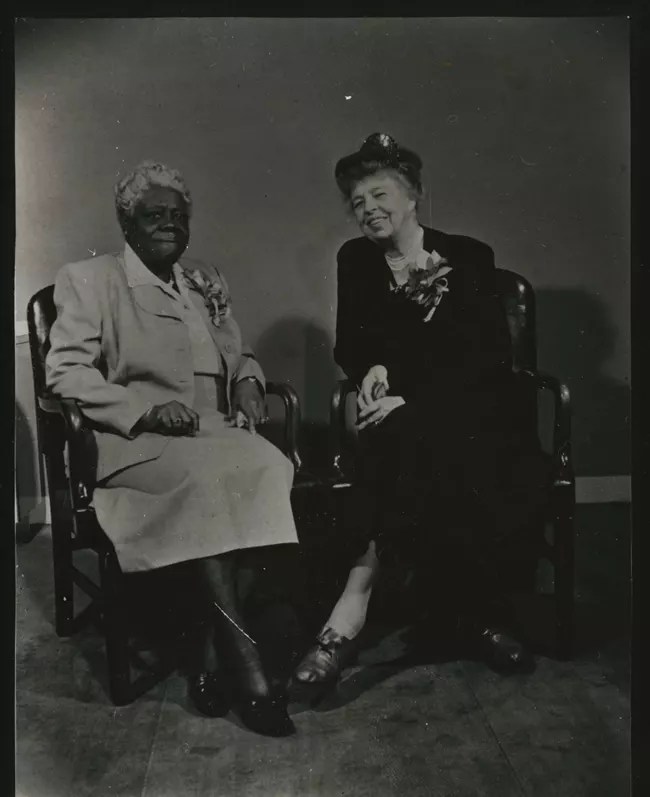
Bethune and Roosevelt (National Park Service photo)
I could go on and on about all her projects and appointments, but her biggest was quite likely being the Director of Negro Affairs for the National Youth Administration under Roosevelt’s WPA, she therefore became the first Black woman to lead a federal agency. She then became the nominal head of Roosevelt’s Black Cabinet, recruiting many of the members herself. This agency, formally called the Federal Council of Negro Affairs, was an advisory board to Roosevelt during the Depression. She also, of course, advocated for civil rights across the entire country; her words after the Brown v. Board of Education ruling (making school segregation illegal), still resound today:
“There can be no divided democracy, no class government, no half-free county, under the constitution. Therefore, there can be no discrimination, no segregation, no separation of some citizens from the rights which belong to all. … We are on our way. But these are frontiers that we must conquer. … We must gain full equality in education … in the franchise … in economic opportunity, and full equality in the abundance of life.“
I would wager that you, as I did before I visited the national historic site in Washington, DC, never even heard of Mary McLeod Bethune. It feels like that’s a real travesty, yet another failure of our public school system. She deserves better.
FDR wasn’t the perfect ally of Black America: he never supported a poll tax ban, nor did he make lynching a federal offense, nor did he desegregate the military. But in the long line of civil rights baby steps, the creation of the Black Cabinet and the appointment of Bethune were important ones. As for Mary McLeod Bethune herself, she always took anything but baby steps. If she were alive today, I’m sure she’d be appalled at the nation’s current backsliding on minority rights, and I’m certain she would be doing something about it.
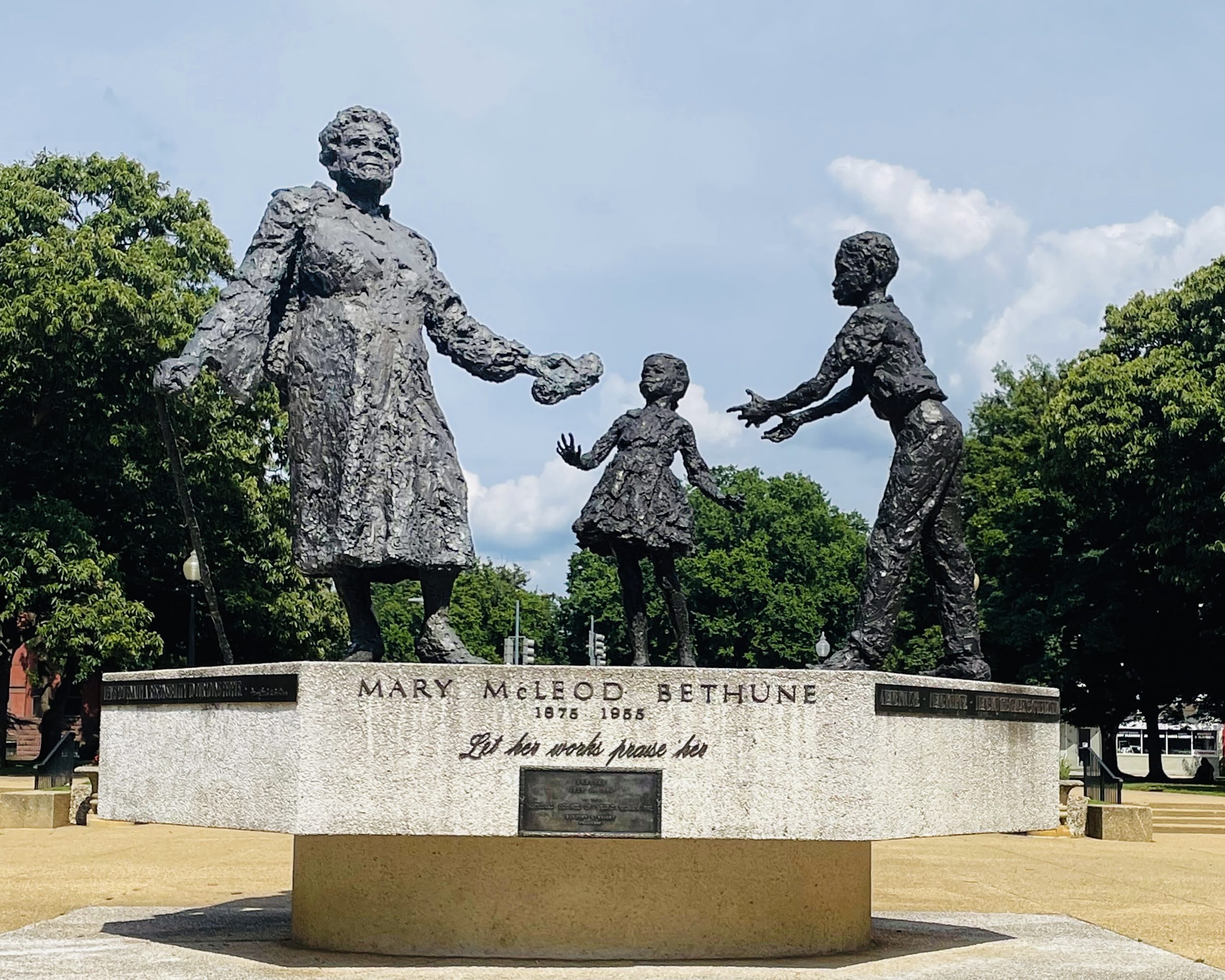
Let Her Works Praise Her
[I did not have a digital camera when I visited Mary McLeod Bethune Council House National Historic Site. Pictures are not mine and no ownership is claimed.]
Many years ago, I started on a personal quest to visit every site in the U.S. National Park System. This is not an easy task, there are over 400 of them!! The journey has been a fascinating one. I have learned more about the natural world, American history, and the breadth and depth of our culture, than I ever thought I could have. On this blog, I’ll share experiences, observations, and insights from my trips. I hope you’ll enjoy your stay here, and I appreciate your comments and feedback!
States
America in Context Post Progress
NPS Sites: 406 (see FAQ)
Sites Visited: 258
Sites Blogged on AiC: 73