Martin Luther King, Jr. National Historical Park, Atlanta, Georgia
The most immediate thing I noticed when got to the historic Ebeneezer Baptist Church was the dozens of Black kids hopping off numerous school buses for a field trip. I’ve been touring these parks — natural, cultural, historical — for over 30 years, and one thing that’s glaring is the rarity of African-American visitors. It’s not surprising, considering the distinct difference between the white and black experience in these United States, but it’s still a shame. This is their country, after all: they built it, they endured 400 years of slavery and misery because of it, and it’s a damn shame that we haven’t come to terms with that. But, we haven’t, and in light of events of the past decade, I doubt we will in my lifetime.
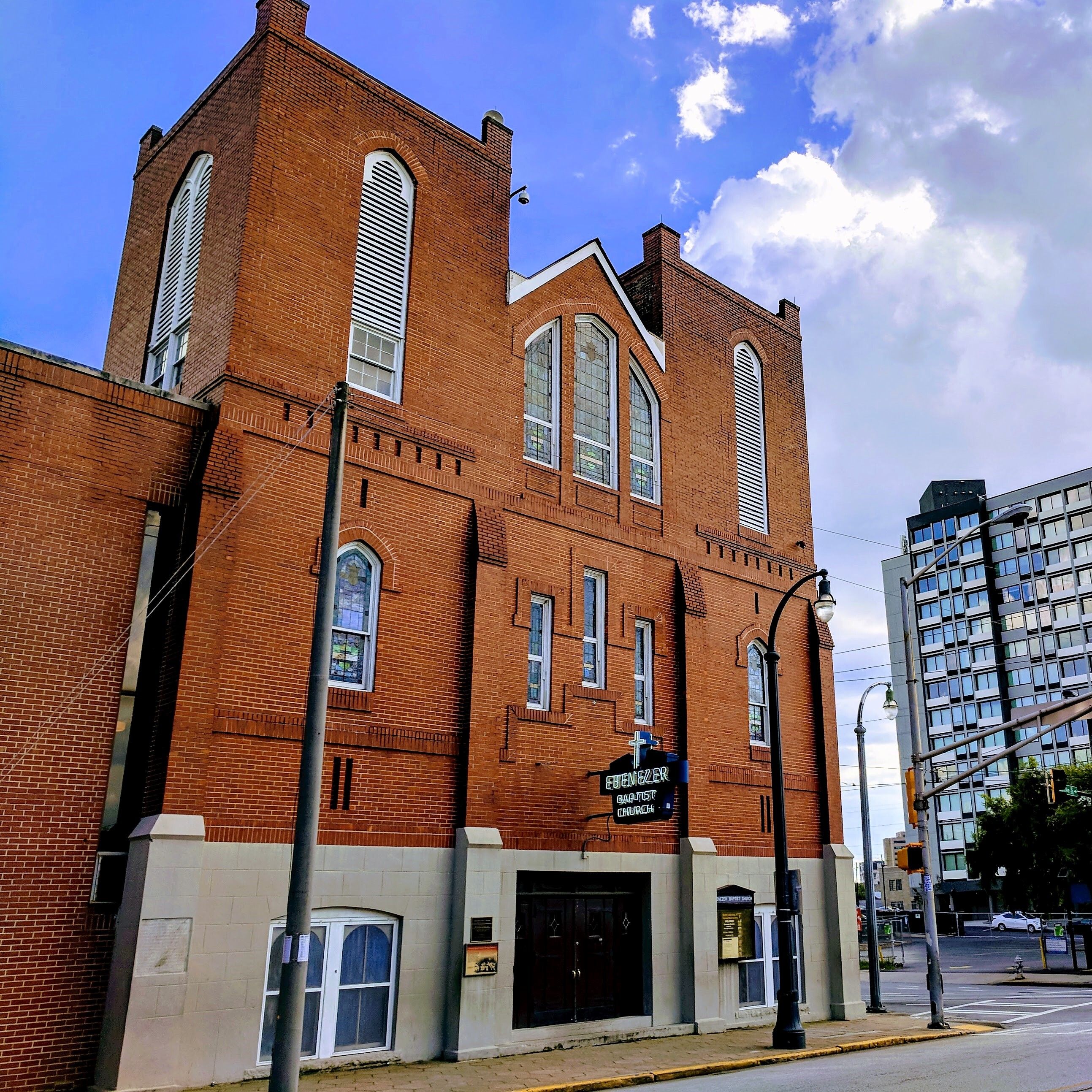
I’m currently reading Bearing the Cross: Martin Luther King, Jr., and the Southern Christian Leadership Conference, by David J. Carrow. I’m embarrassed and ashamed I never read a King biography, so I chose this Pulitzer-prize winning 1986 tome. It’s a thorough retelling (perhaps too thorough, it’s taken me an embarrassingly long time get through), but it’s very interesting. Of course, it goes into the major events (the early bus boycotts, the March on Washington, Kennedy’s assassination, and the ultimate demise of Rev. King himself), but also a lot of the smaller behind-the-scenes machinations and foundational decisions of the Civil Rights movement. There’s still a lot to learn from those days, lessons that we can apply today, under this slew of new attacks on fundamental and Constitutional freedoms.
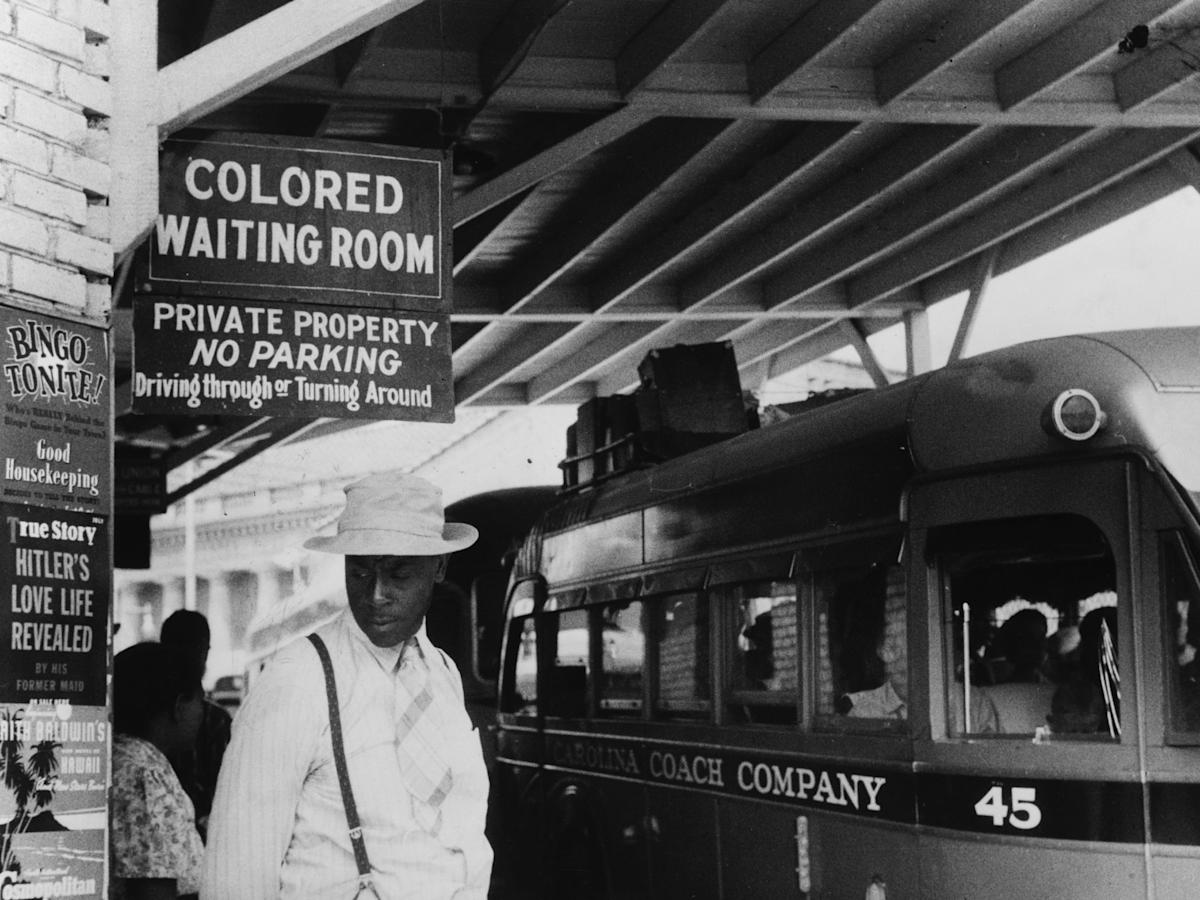
The Montgomery Bus Boycott is a fascinating case study of resistance, one perfectly suited to America’s blend of capitalism and democracy. Montgomery, Alabama was a typical, deep-south city of the time: segregated lunch counters, water fountains, schools. Tacit agreements on hiring, Black people relegated to menial labor, domestic service, or setting up their own commerce on the sly. Today, we know all of this, but what people might have forgotten was the importance of bus transportation in the 50’s. One out of three households did not own a car, higher in the cities (as is today). Buses were used by all races and classes back then, to get to work, go shopping, run errands, etc. They were the backbone of cities everywhere. And, of course, the buses in Montgomery were segregated.
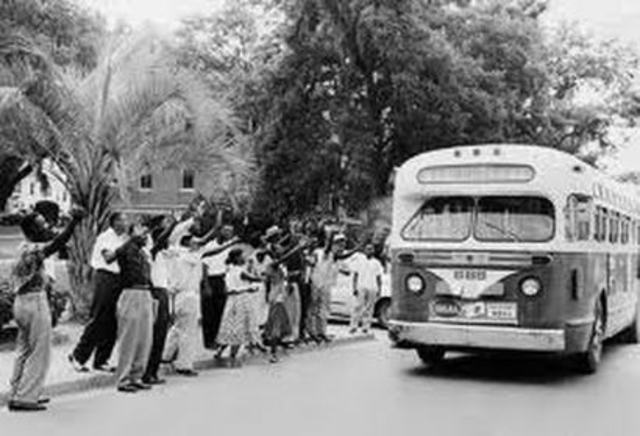
It was a stroke of genius to boycott the buses. It threatened the bankruptcy of the city’s lifeline, hitting business owners right in the wallets. Those business owners demanded pushback, and that pushback came: harsh and violent. Shots were fired, bombs hurled. But the good guys prevailed, the desegregation of the Montgomery buses became an early victory in the battle for civil rights, and the entire movement was off and running. This victory led to a few other incidents — some peaceful, some violent — that got the attention of the White House, eventually leading to the passage of the Civil Rights Act in 1964.
History likes to tell us it was state & local governments that kept the oppression of slavery alive through unjust Jim Crow laws, and that’s true. History also likes to tell us it was the KKK and a slew of police and sheriff’s departments who enforced those laws with indiscriminate brutality, and that, too, is true. But history likes to forget that the engine of oppression, the true power behind the throne, the thumb that the Black man had to live under in order to put food on the table, was American business, small and large. All those diners and music halls; department store soda counters; baseball stadiums; newspapers and radio stations; and transit systems: they’re the ones who truly kept racism alive. They’re the ones who called the cops if Black people were walking by their front door too slowly, or sat on a bench to rest. They’re the ones who funded the reelection campaigns of the city councils and legislatures who passed those laws. They’re the ones who fueled hate with conspiracy theories and false narratives in their newspapers and on their radio programs. And they’re the ones who took advantage of an entire race by paying them lousy wages for hard work by ensuring there were no other opportunities.
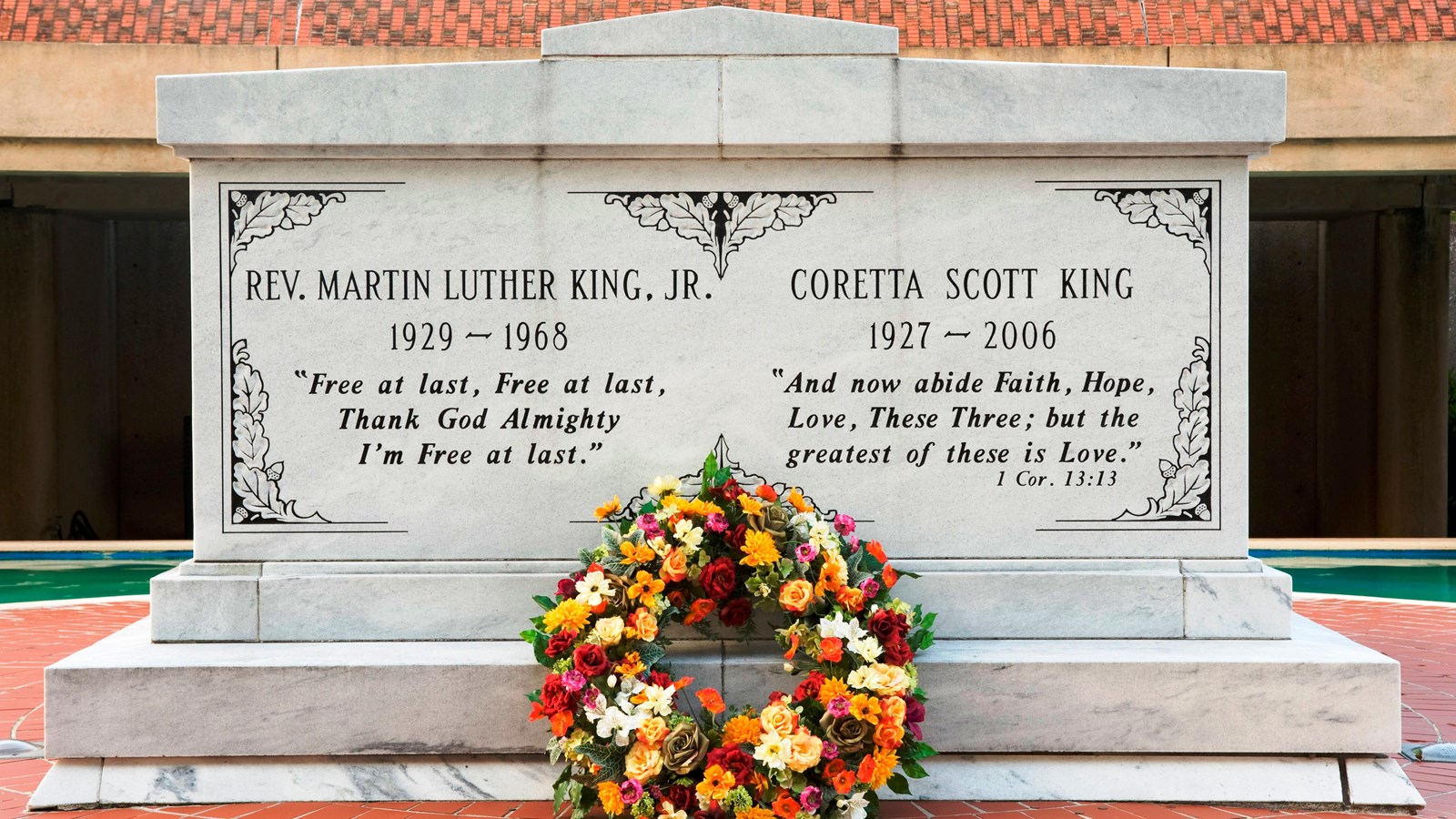
Dr. King and all the others who marched, protested, and caused good trouble in the Civil Rights movement were brave beyond measure. They stood up to centuries of contempt, threats, abuse, legal trickery, violence, and outright murder, and the country came out better for it. It saddens me to no end to see all those hard-won gains be lost today, due to the machinations of a new cadre of oligarchs, the politicians they bankroll, and the brownshirts radicalized by their media empires.
I’ll be retiring soon, and I hope to devote my time in opposition to what is happening in this country. My one, big hope is someone comes along to show us the way, like Dr. King showed us in 1955.
I have a feeling such a person is not coming. We’re going to have to do this on our own.
Links:
Martin Luther King, Jr. National Historical Park


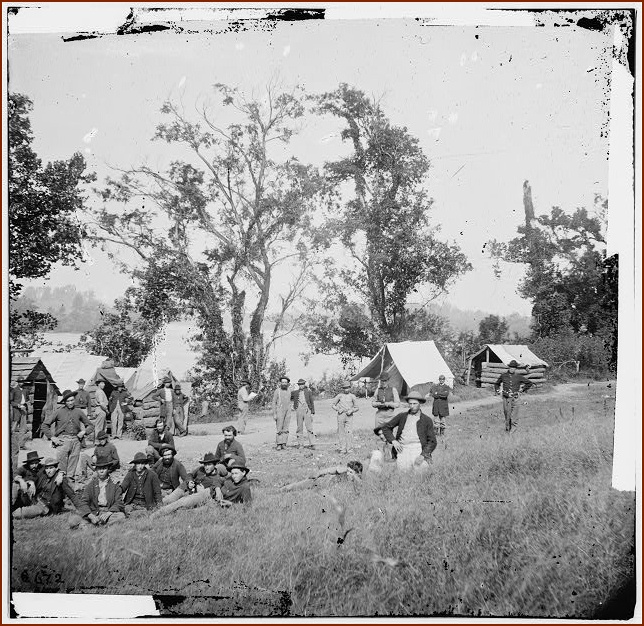 People tend to forget that old battles, battles before mechanized cavalry, helicopters, spy satellites, and unmanned drones, were all about terrain. Old strategies involved taking the high ground, controlling mountain passes, utilizing waterways for transportation and defense, and sneaking to the enemy’s position in the gloom of the morning fog. Entire wars from ancient Thermopylae to Pacific Ocean island hopping in World War II involved strategic uses of terrain to overwhelm and defeat an enemy.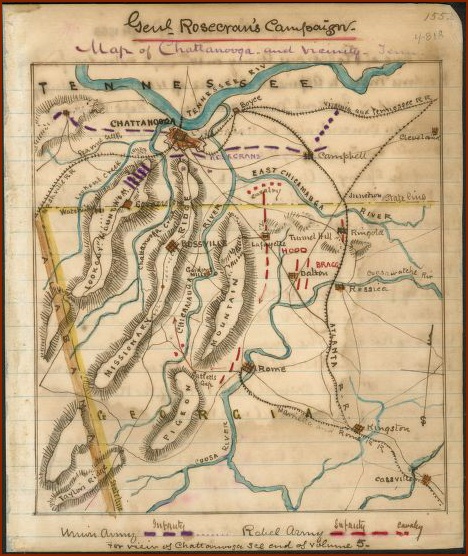
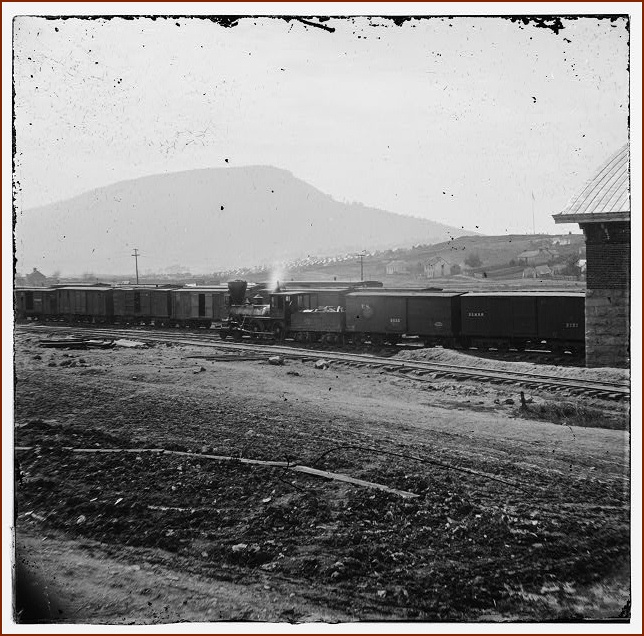 I’m not going to recount the entirety of the battles surrounding Chickamauga and Chattanooga, there are resources out there that would do a far better job than I ever could. I will say these battles definitely revolved around the lay of the land, and actually being there brings that “eureka” moment. You can read in a book that Union soldiers raced up the slope of Lookout Mountain to chase out the Confederates, but actually going there, and seeing that side of Lookout Mountain is more of a cliff than a slope, really drives the point home that these soldiers were strong, and tough, and committed, and quite amazing. The feats these men (on both sides of the conflict) are truly mind boggling.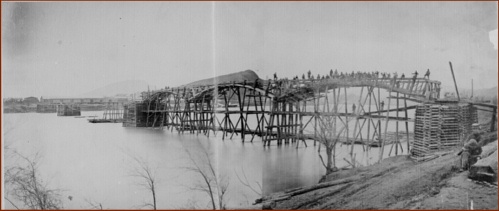
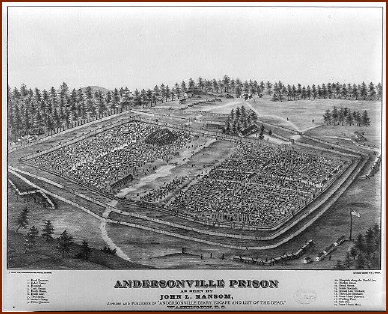
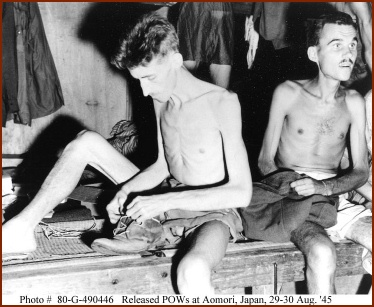
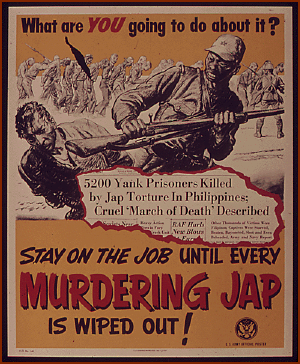 How is evil created? The answer: on purpose. Through dogma, or jingoism, or biased textbooks. By stating that the enemy are lesser creatures, creatures who would kill you given the chance, creatures less deserving of God’s grace, creatures who must be removed for the good of all. And then, by repeating that message over and over and over again, until the sheep-like masses buy into it, and agree. It’s hard to kill a fellow human being, but it’s easy to hate, torment, torture, and kill lesser creatures. So all you have to do is convince your people that “the enemy” are lesser than they, and your people will do your dirty work for you. Then you can go back to your secret retreat in the mountains and feast on banquets, or snog your high-priced whores, or choke on your pretzels, for you have created your own force of evil, ready to sacrifice their own humanity to the misfortune of the enemy.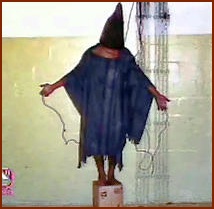


 America In Context