Peace, Quiet and Thought
I’ve said this before, but I love visiting the Great Plains. There’s something about the vast open spaces, the capacity to see for miles and miles, that frees my mind from the cluttered inanity of the world. Having a broad field of vision in the physical world leads to having a broad field of vision in the metaphysical world. OK, fine, that last sentence was a bit over the top. I’m just fishing for fancy ways of saying “open spaces make me feel better”.
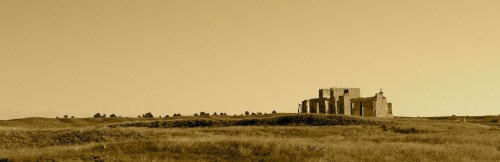
New England, much as I love it, tends to be a bit claustrophobic. The hills, mountains and forests restricts field of vision; the constant clamor of a high population density clutters the mind with noise. There ends up being so much noise, so much distraction, it’s hard to stay focused on a task, think through life’s bigger challenges, or simply sit and listen and appreciate a moment in time. Clarity and depth of thought requires personal space and lots of it; the lack of such space clutters the mind like the spare room of a chronic hoarder.

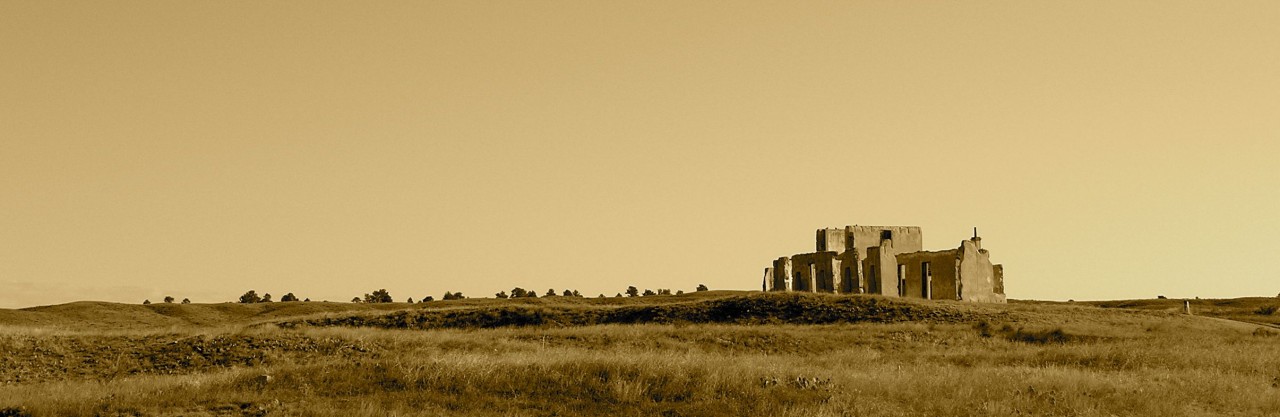
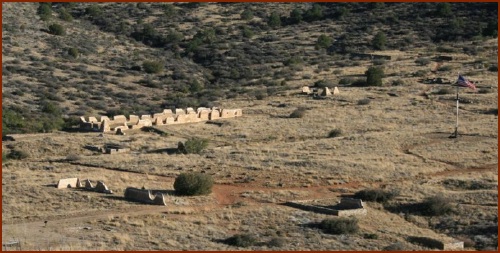
Eastern Wyoming (where Fort Laramie sits) is vast, open, and sparsely populated. It’s so easy to find peace and quiet, to be alone with one’s thoughts. This lends itself to observation, contemplation, and (yes, I’ll say it) spiritual reflection. Even the chronic prevailing winds of the western plains assist. A good, stiff wind in your face cleanses the soul like a sand-blaster cleans painted brick. Wide open spaces and weather: these are a few of my favorite things.
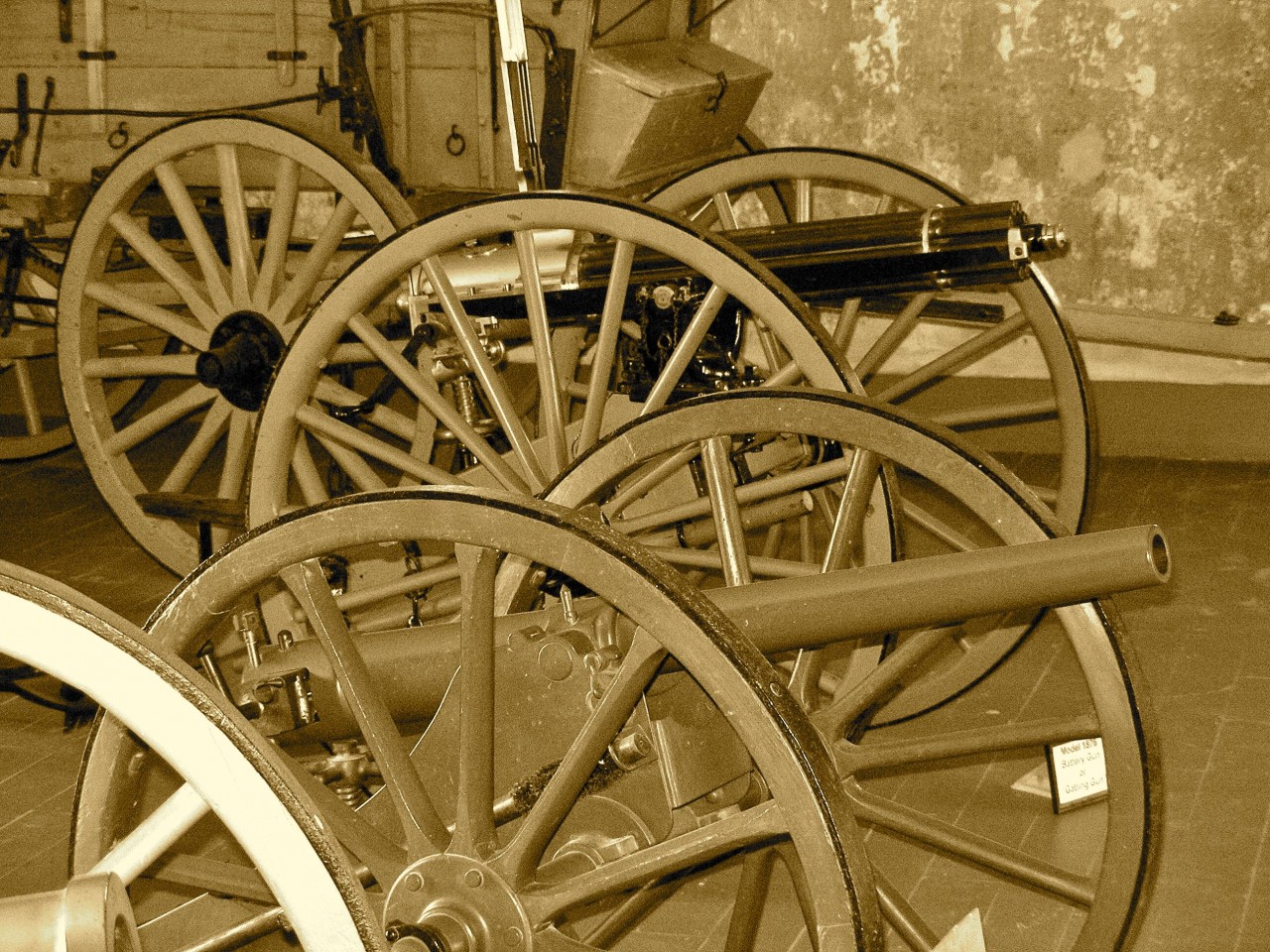
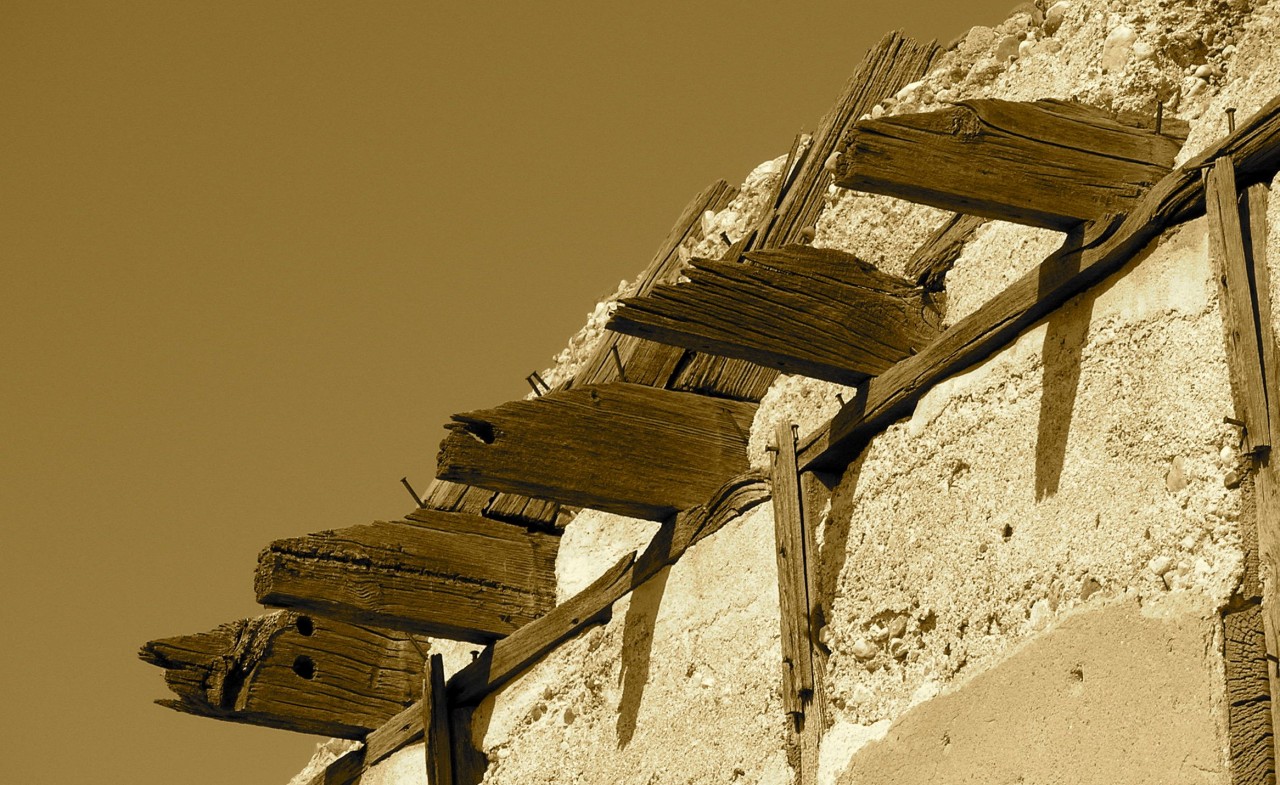
Add in historic Fort Laramie, with its crumbling brick facades, you find yourself reflecting on the past. Like most historic sites west of the Mississippi, Fort Laramie is part and parcel of Native American history, in this case the history of Indian suppression. A visit there makes one specifically reflect on that part of America’s past.
I feel like I could type forever, spewing forth my thoughts about the tragic conflict between the tribes of the Americas and the white settlers. I’d make a blog post so massive and unreadable it’d go down in the annals of bad web content forever. Instead, let me just give a short list of some observations I made at Fort Laramie and similar sites across the country:
 Did you ever notice that great swaths of the Plains cleared of Indians by the U.S. Army are still pretty empty?
- Did you notice that people are actually moving out of rural areas in the midwest? Depopulation of the plains has been going on for some time now.
- Did you know that much of the land taken from tribes was given to cattle ranching? Did you notice that overconsumption of beef is now deemed a health hazard, and current factory-style, corn-fed beef production is considered bad for the environment?
- Did you notice that family farms, another beneficiary of U.S. Indian relocation policies, are dying out and being replaced by corporate farming concerns that no one seems to like?
- Have you noticed that California, the “promised land” for wagon trains and railroads, is, well, kind of a mess right now?
It’s been well over a hundred years since the government’s longstanding programs effectively nullified the Indians as a resistance movement and nearly eradicated tribal culture completely. But now, after all this time, I think the question needs to be asked: was it really worth the price?

Playing “what if” games is rarely productive. Nothing can undo what was done, and Monday-morning quarterbacking has as much value as Monopoly money. But maybe, hopefully, we can take the lessons we learned and teach them to others who sit along a similar precipice we sat upon in our expansionist phase. You don’t need to extinguish a competing culture or civilization to succeed and grow. In fact, it’s quite likely it leads to an opposite result.
[The pictures on this blog entry are mine and copyrighted thusly. More are here.]
============================================================
 Links:
Fort Laramie National Historic Site
Change of Heartland: The Great Plains
Holy Cow: The Wide Impact of Eating Red Meat
Google map to Fort Laramie
Just for the heck of it, I added a picture of a bunny….



 It was that famed spring the traveler sought. Once he reached that spot, he would head east towards his destination. But a shadow in the trees moved in the wrong direction. There was something up ahead, blocking the path. Small eyes stared past a broad snout, straight at the traveler. The two, the wild boar who belonged, and the unarmed man who did not, locked gazes. One would react with instinct, the other needed to react with thought or risk being gored. This far from civilization, that would not be a good outcome.


 America In Context