Tough Sons-a-Bitches
Fort Union Trading Post has to be the remotest, harshest historic site in the entire National Park System. Well, sure, today you can drive there in a few hours, with the worst hazard being awful, North Dakota truck-stop coffee (gads, how can anyone drink that stuff?). But back in the 1830’s through 1850’s, when Fort Union was active and productive, it must have been brutal. And the men who manned it and depended on it and lived in the area had to be some of the toughest sons-a-bitches ever to walk the continent.
Fort Union was a fur trading outpost in the frigid nethers of the northern High Plains. I call it the “remotest site” for good reason: when it was operating, there were only two ways to get there: by steaming up the Missouri River or traipsing overland through hostile country. That was a trip that would take weeks from pretty much anywhere.
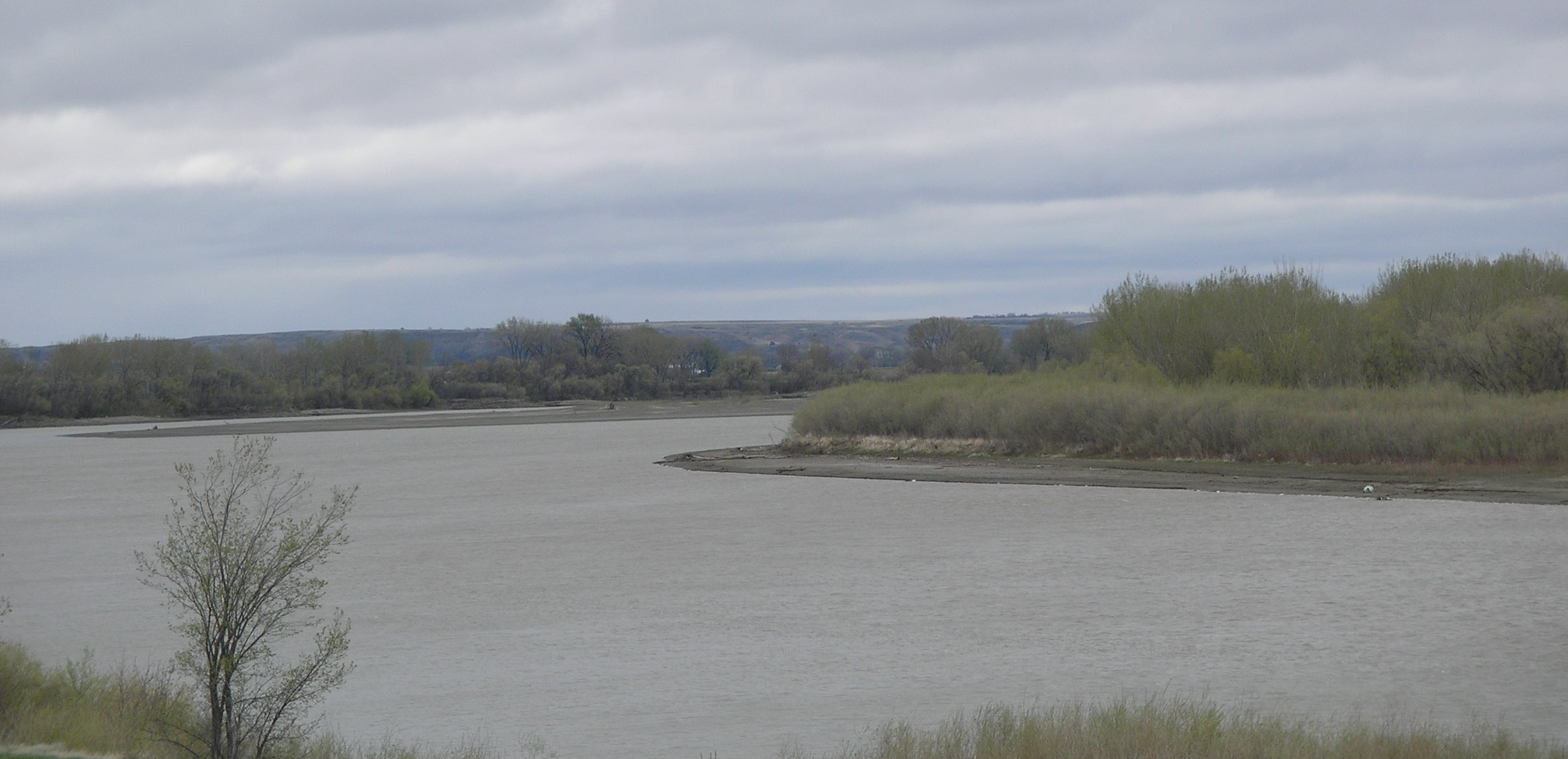
Fort Union and the surrounding area was a place you had damned well better need to get to. This wasn’t a day-trip excursion nor was it a place to try to “find your fortune”. Those Gold Rushers in California or the Klondike wouldn’t have had a snowball’s chance in hell of making it to Fort Union, they’d be dead by Kansas. You had harsh weather and tribes of Native Americans with varying degrees of hostility. The High Plains were not, are not, to be trifled with (ask some “east coasters” who headed to the Dakotas looking for work during the recent economic collapse, and found themselves struggling through a hard winter). The Dakotas are not for pussies.
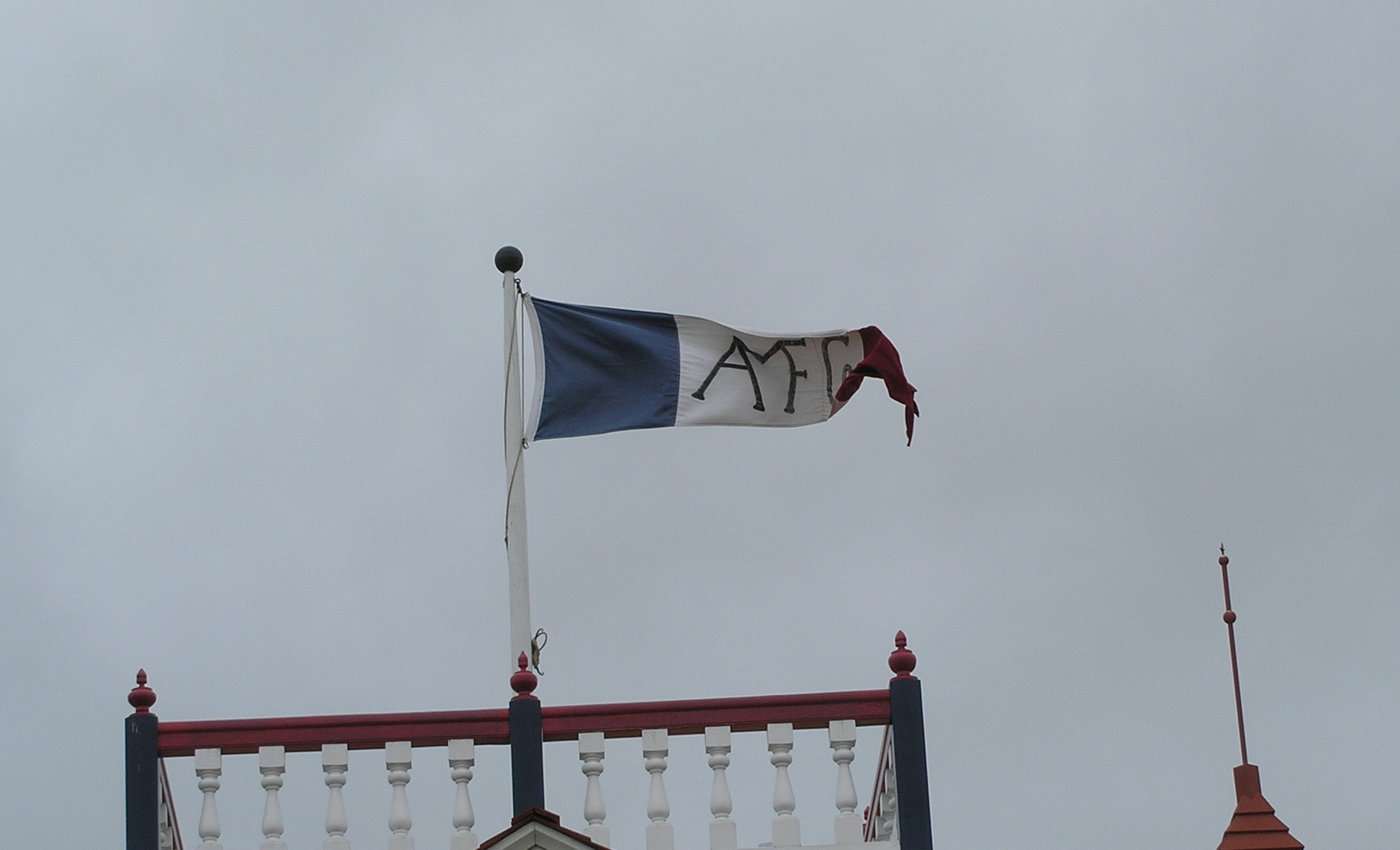
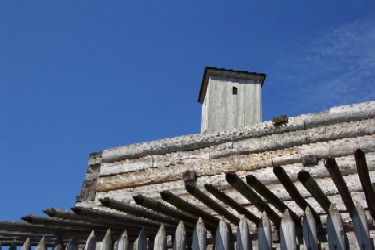
I visited Fort Union Trading Post in April. North Dakota in April isn’t like Connecticut in April. It’s gloomy, gray, damp and cold. There were snow squalls and bitter winds that day. The American Fur Company flag was wipping around the flagpole, and no one lingered outside the fort too long but took shelter inside the reconstructed Bourgeois House and other buildings. That day most certainly gave me a taste of what it must have been like back then.
 I could easily imagine gale-force blizzards in the dead of winter, hard-driving rain as one tried to navigate the river, risks of Indian raids as one crossed the prairie, and dangers from wolves for fur-trapping woodsmen. The entire place, even today, inspires visions not of romantic westward journeys, replete with glorious sunsets and starry nights, but of the hazards of a perilous, unruly west. This was where Europeans faced true dangers as they tried to tame a continent.
But amazingly, it’s also where Europeans first managed to foster their fortunes. This trading post, and many others like it, was not founded by the government, but by shrewd businessmen and entrepreneurs. The American Fur Trading Company was owned by none other than John Jacob Astor, the first of the uber-wealthy Americans who would shape a fledgling nation. Money was the driving force for settling the upper plains, whether it was fur trading or ranching or mining in the Black Hills. Money they made, and lots of it. The Astor Family was one of the wealthiest families in all of American history (although it did come to quite a tragic end).
This brings up a topic often discussed in modern-day America. There are those who say the best way to grow the country is to let businesses run things and let the desire for profit and healthy competition move the country along. Economic survival of the fittest will bring us forward. They point to the accomplishments of Astor and other “men of industry” like Thomas Edison, Andrew Carnegie, Henry Ford, Cornelius Vanderbilt, and John D. Rockefeller. These men, and many others, created many of our institutions (colleges and libraries and hospitals and parks), all named for their benefactors and, to this day, influencing the world we live in. They created the processes that propelled America to greatness: trans-continental transportation, metallurgical marvels, electricity and power, and a financial system more powerful than even the British Empire.

I tell ya, there’s a lot to be said for this idea. You look at the best-run businesses in America, and their efficiency, quality, and utility far surpasses that of the Federal Government. There is a certain appeal to the notion that business interests should rule. However, I have to say that, in the end, this is a terrible idea. When people think “government should be run like a business”, they miss the fundamental difference between the role of the government and the role of a business. One needs to only look at the difference between the mission statement in an annual report (“increase shareholder value” = “make money and lots of it”) and the mission statement of the United States, as given in the Constitution (“establish justice, ensure domestic tranquility, provide for the common defense, promote the general welfare, and secure the blessings of liberty …”). The two fundamental missions are drastically different, and therefore incompatible to exist within the same organization.
The men who funded and founded Fort Union Trading Post made a lot of money, for themselves and their progeny. But that money came at the cost of the lives of many, many tough sons-a-bitches who suffered the hardships of the northern plains in their quest for furs or gold. Nowadays, thanks to a government that (theoretically) cares about its citizens, you no longer have to give your lives to the company (unless, perhaps, you work for Big Coal).
[Pics on this post are mine and thusly copyrighted. Do not reuse without my express permission, thanks. More, similarly copyrighted, pics can be found here.]
====================================================
 Links:
Fort Union Trading Post National Historic Site
Should Government Be Run Like a Business?
 What’s really sad is it’s such a beautiful part of the country. You’ve got the Adirondacks, the largest state park in the country, with its dense forests and old, weathered mountains; microbreweries like Saranac, Ithaca, Ommegang, and Old Saratoga (to name but a few); the amazing Thousand Islands; the peaceful Finger Lakes region; and miles and miles of unspoiled farmland. But I guess that’s not enough in this age of globalization, financial ruin, the off-shoring of America’s industrial might and intellectual property, and perhaps the lousiest state government in the country.