Feeds:
Posts
Comments

Posts Tagged ‘history’

What Is Leadership?

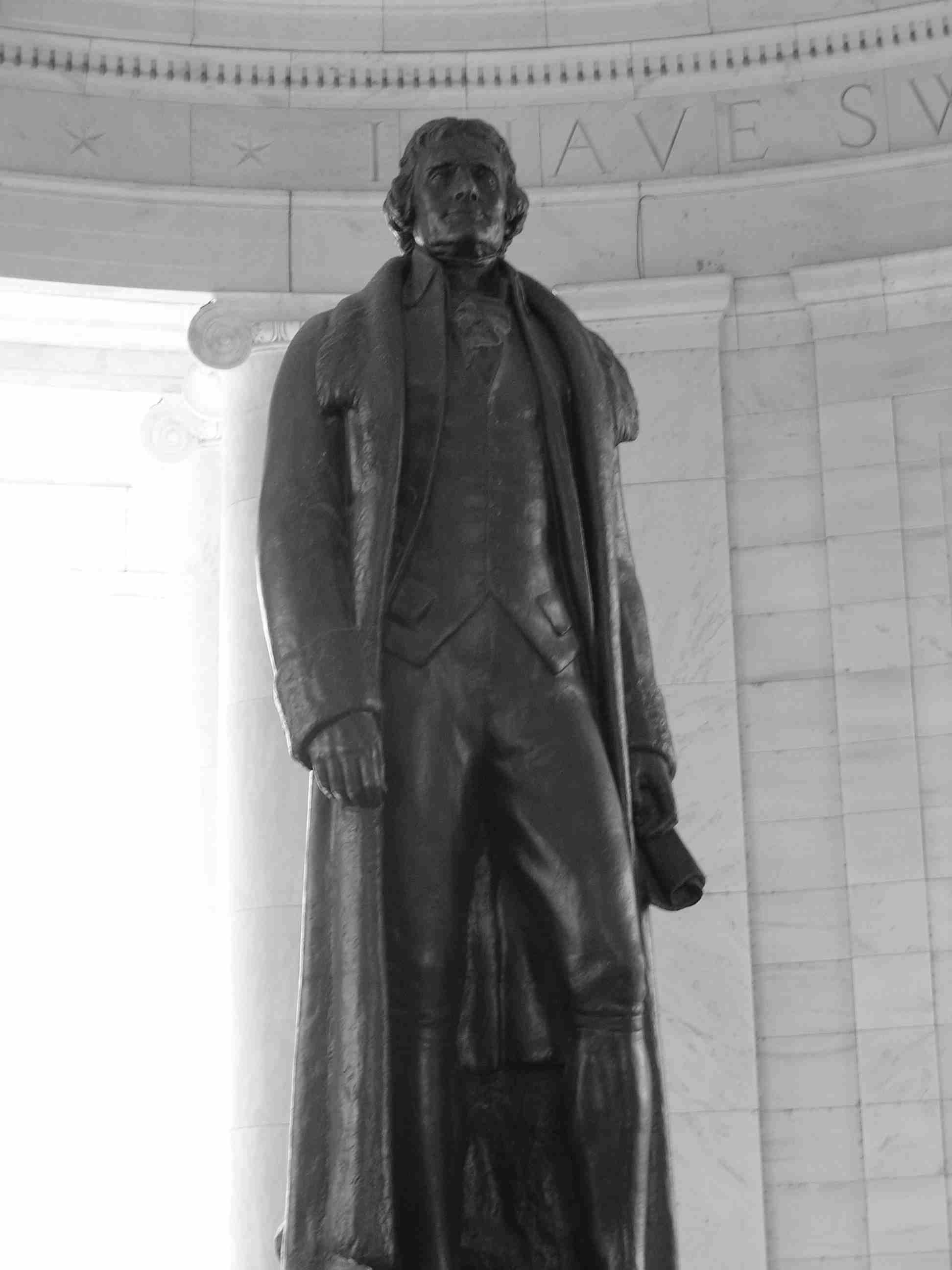
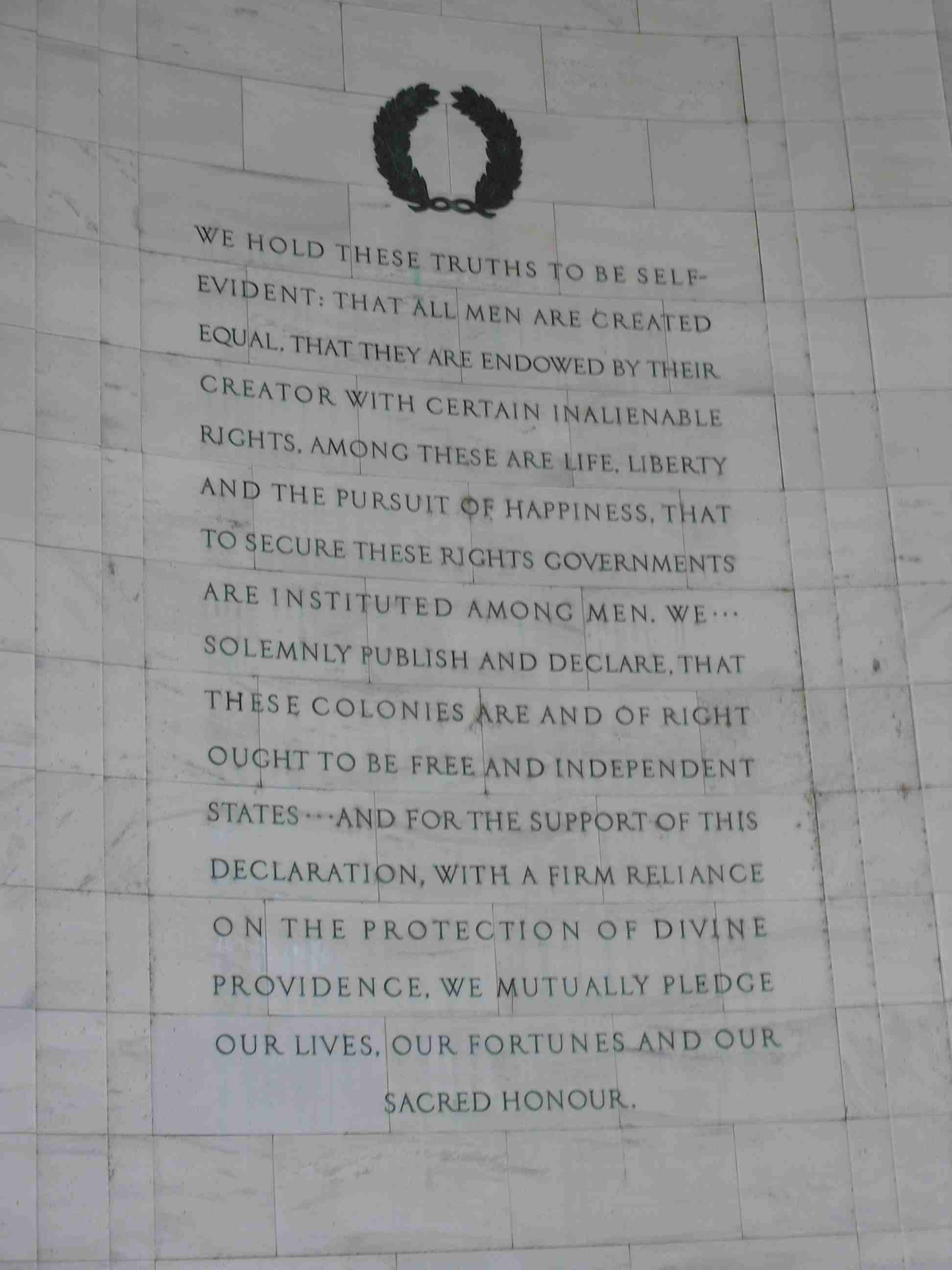
A walk through the maze of walls comprising FDR National Memorial is a welcome, quiet respite from the crowds at the National Mall in Washington, DC. The memorial’s design is interesting: it’s a series of four small plazas, each representing one term of FDRs presidency. He served 12 years in the nation’s highest office, longer than anyone ever before, since, or seemingly forever (thanks to the 22nd Amendment).

I don’t think you can doubt that those were the hardest twelve years in this nation’s existence. The Great Depression was the deepest economic catastrophe this nation has ever seen, and the Great War was the biggest geopolitical conflict the world has ever seen. These were tremendous challenges, and spawned tremendous change in this country. One steered us towards military power and global influence, the other steered us towards progressivism and social justice. In today’s highly polarized political environment, you probably think one is good, and one is bad (which is which depends totally on your point of view). Regardless, those twelve years undoubtedly shifted the path of the United States for at least 65 years, and perhaps more (depending on how we weather the current terrorist, economic, and environmental crises).
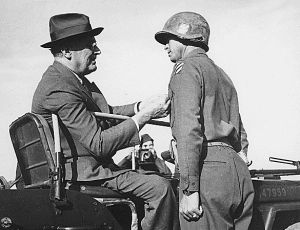
Anyway, as I write this essay about FDR, I find myself reflecting not on these matters of politics and FDR’s rewriting of the American resumé. Instead I find myself reflecting on a quality that even his enemies agree FDR had in spades: leadership.

I like to think I know a lot of things. More accurately, I like to think I’m capable of knowing a lot of things. If I put my mind to it, I can read and research and question and experiment and try most things, and come to a pretty solid understanding. But if there’s one thing that eludes me, and will continue to elude me to the end of my days, it’s leadership. I’ve worked and played under some great leaders, whether it was the farmers I worked for as a boy or teachers I’ve learned from in college or team captains on the playing field, but never understood how they were effective leaders. I’ve also tried to act as a leader, take charge of a situation or a group or a team, and failed poorly at every opportunity. I can’t even get a group of co-workers to meet up for Happy Hour (unless, of course, I’m buying). I think I recognize leadership when I see it, but I can’t quantify it, or define it, or explain how some people have it and others don’t, and in no way at all can I replicate it.

Is it charisma? Charisma seems to attract a following but, by itself, can’t sustain one. Followers, at least the smart ones, will flee in the face of failure, and then all you’re left with are the sycophants, the incapable, and the unstable.

Is it believing in people? Maybe, because people will gravitate towards those who put trust in them. But, again, by itself it’s not leadership. Face it, some folks are not worthy of trust. Good leaders have to always be on the lookout for that knife in the back.

Is it determination? The pharaohs were determined to make their great pyramids, but I doubt the slaves who labored under then would call them “leaders”.

Is it understanding humanity? Maybe, possibly, probably. That would explain why I’m so horrible at it, for I often fail to understand that complicated topic. A lot of good leaders started in the trenches with the troops, or on the assembly line, or playing shortstop. They work with folks and understand folks and then lead folks. But FDR was one of the bluest of blue-bloods. He was born into privilege and stayed there, yet still was inspiring to the country.

Maybe (as lame as it sounds) it’s just something you’re born with, like blue eyes or a musical ear or general athleticism. I do suspect it’s something that is not easily taught in a seminar or gained from reading a book. The few books on “leadership” I’ve come across read like leavings of the the rest of those infinite number of monkeys who didn’t write the complete works of William Shakespeare. Corporate America is full of three-day seminars on the topic, but Corporate America as of late is full of terrible leaders who’ve made terrible decisions and led their companies and countries to ruin. I’ve seen good leaders in the corporations I’ve worked in, but these were also folks who didn’t learn how to lead at some symposium. These folks had it in their genetic makeup long before they completed their first job application.
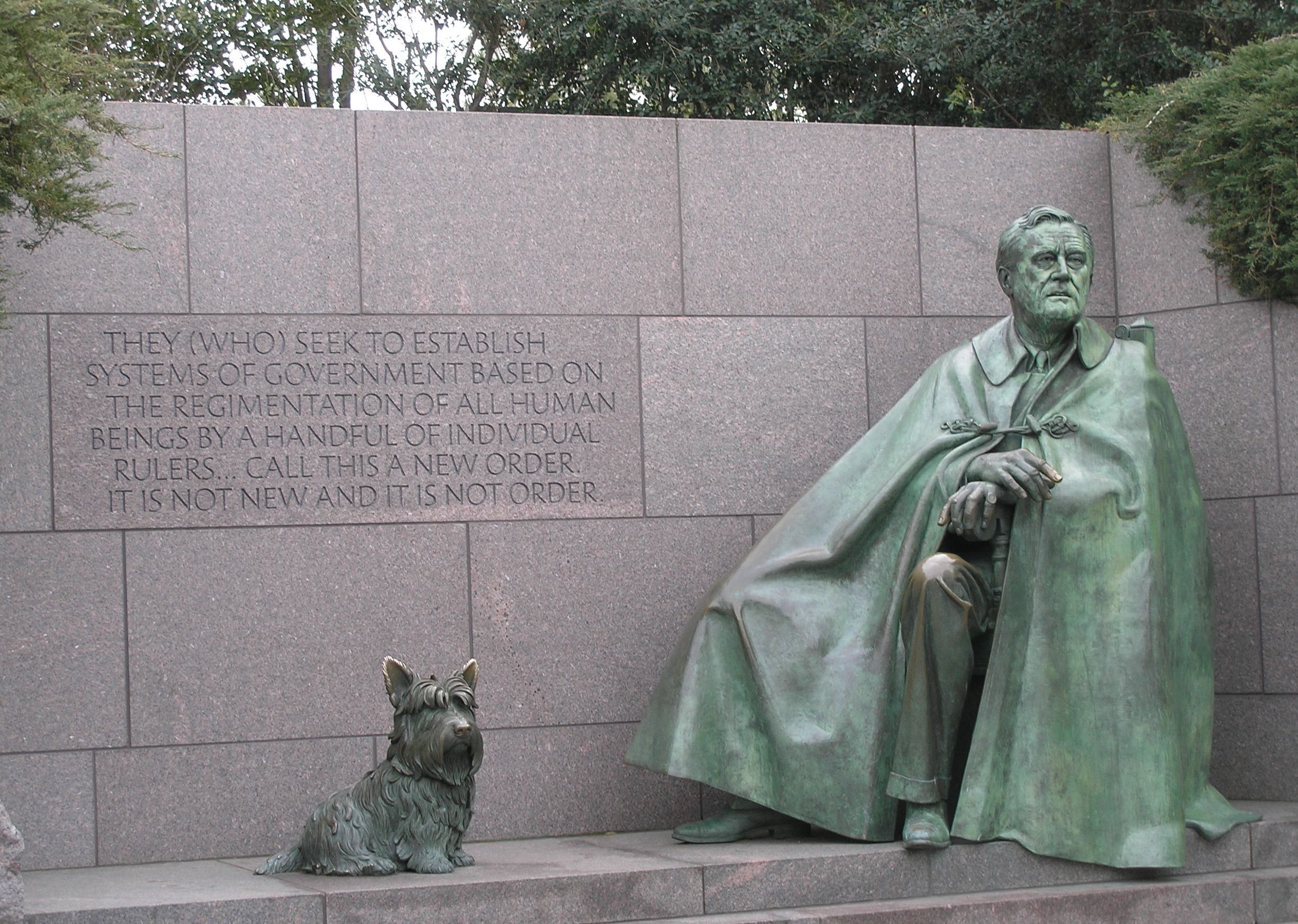

There is one thing I do know about leadership: I know what it is not. Leadership is not authority, and if there’s one thing I abhor, it’s authority without leadership. There are folks who use their power, earned or appointed, to bully or brag or taunt or inflame or bloviate or take their underlings down in the misery or failure of their own incompetence. These aren’t leaders, they are petty fools. Authority may be a handy thing in a leader’s toolkit, but it is not leadership and must not be confused with leadership.

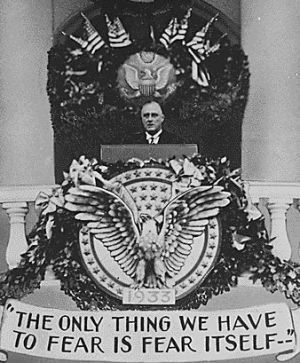
Looking back at FDR’s legacy, it’s easy to see he had both authority and leadership. It’s not just because we won the war against Nazi aggression and Japanese imperialism, it’s not just because we emerged from dark times stronger and more powerful than ever before, and it’s not just because we kept our dominant position for about 60 years after his death while moving forward on his grand vision. It’s because, at the end, for a couple of generations after his death, millions of Americans respected and revered the man. If you had talked to anyone from that era, most of whom are now dead or dying, you’d have heard reverence in their voice. They respected the man, felt motivated by his radio broadcasts, felt inspired by his iconic rhetoric. This generation of Americans, called by some The Greatest Generation, really loved the guy and carried themselves forward in life inspired by his leadership. There are few Presidents, past or present, who inspired the masses during their terms in a way that FDR did.

Nowadays, right-wingers and Libertarians tear apart FDR’s legacy, and I can sympathize. It seems that the progressive agenda, taken too far, acts more like an albatross than an eagle. It seems to weigh us down instead of making us soar. Or maybe we’re just doing it wrong, I don’t know if I can say either with certainty. I can say that, regardless of whether FDRs legacy has helped or hurt this country, he was a strong and effective leader and probably the most inspiring President within his own time. The people who were there would have told you so. Some of them are still out there: find one and ask.

[Archival pictures on this post courtesy of the Franklin D. Roosevelt Presidential Library and Museum. I don’t have many specific photos of the FDR Memorial, but you’re welcome to peruse my copyrighted photos of Washington, DC here.]

======================================================

Links:

Franklin Delano Roosevelt Memorial

Franklin D. Roosevelt Presidential Library & Museum

The Wilson Center Essays on Leadership

Google map to FDR Memorial

Read Full Post »

Chaos Theory, Doctor Who, and Fossil Butte

American history is a fascinating subject. It’s a study of events triggering other events which trigger further events. It’s a study of choices made, or choices not made, or choices poorly made. It’s a study of unrelated decisions converging a hundred years later and meeting up under odd circumstances to form a result that we now take totally for granted. It’s chaos theory, really. Some events, some choices, lead to predictable results, but every now and then, there’s a chunk of randomity, a bit of chaos, that throws things a bit askew.

History buffs, especially rank amateurs such as myself, love to play little “what if” scenarios. What if Ben Franklin suffered a heart attack while securing French support for the Revolution? What if Texas wanted to stay an independent republic? What if Lincoln sued for peace after Secession? What if oil was never discovered in Pennsylvania? What if we stayed with the gold standard? What if Oswald’s shot from the Texas Schoolbook Repository missed? What if 538 people in Florida voted differently in 2000? If these things happened differently than they did, would we still be America?

This is an interesting question. Would we still be America? Various events, going differently than we know them, would that still result in an America? I would have to say … yes. Probably. There was a cause, and a desire, and it sort of propelled things along. Sure, things would be different, but it’d probably still be America. Maybe smaller, maybe bigger, maybe more free, maybe less, maybe Hispanic, maybe without a slave legacy, maybe a 3rd world country, maybe a militaristic tyrant. Who knows?

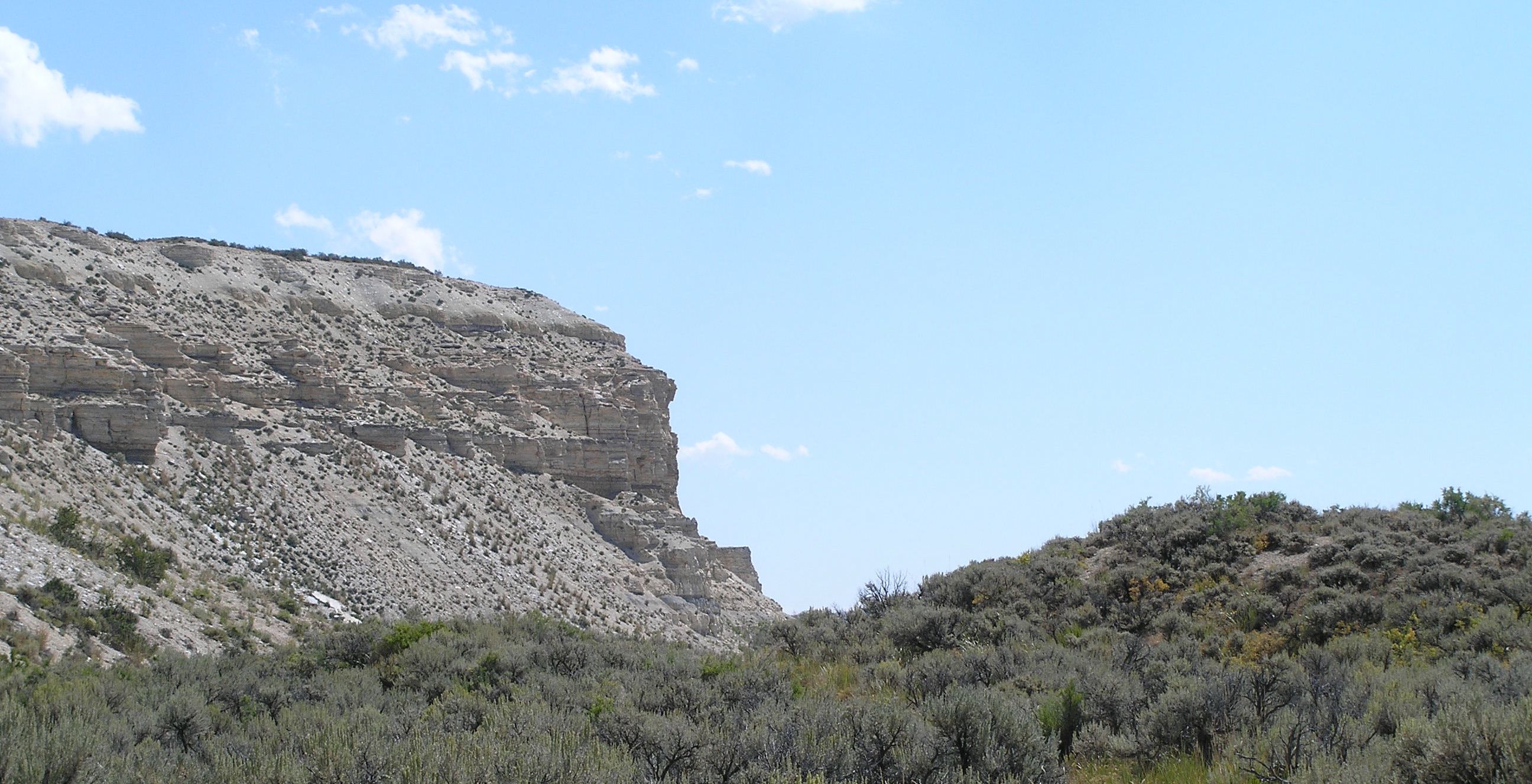
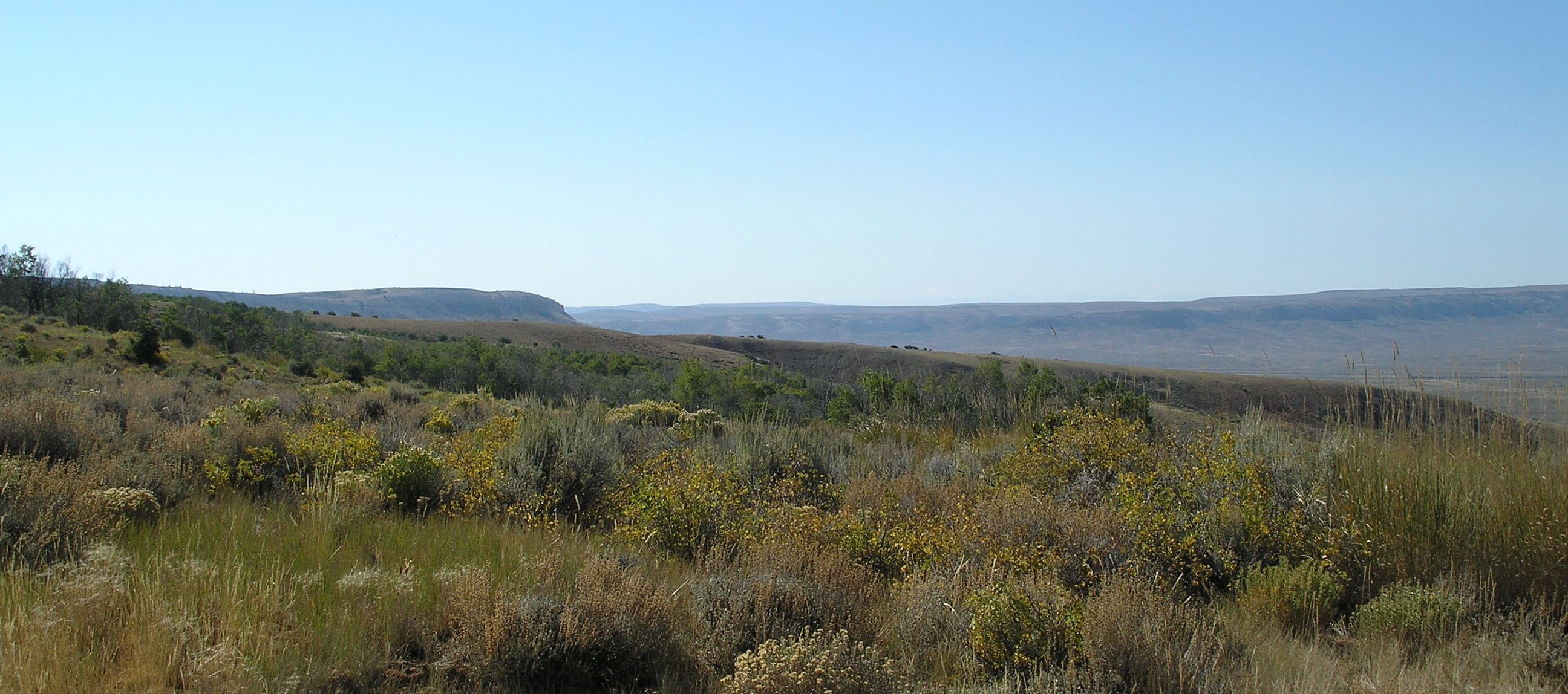
I’m babbling about all of this for two reasons. One, I’m writing this during Doctor Who commercial breaks, and that show always makes me think of things like this. Two, thinking about Fossil Butte National Monument, a site in southwestern Wyoming preserving fossils up to 65 million years old, makes me think about the concept known as Intelligent Design.

Intelligent Design is the notion that the human race – intelligent, spiritual, thoughtful, opposable-thumbed individuals that we are – is so rare, so special, and required so many remarkable and special circumstances to develop, that it is impossible to conceive that our existence is the random result of various chaotic happenstances since the Big Bang. There must be some driving force, some incredible, thoughtful, magnificent presence, guiding all of creation to develop humanity to this point. Our existence is the result of this Presence, this Guidance, this Grand Design. We have to be the result of none other than God’s Grand Intelligent Design.

Now there’s a great deal of compelling evidence to believe this is indeed true. The Earth is at the right distance from the sun: too close and we’d cook, too far and we’d freeze. The Earth is the right size: too small and gravity couldn’t hold an atmosphere, and too large we’d gather too much atmosphere and be crushed by the pressure. The moon is a factor: the tides cause the oceans to move, improving oxygen absorption and enabling terrestrial life to form in the watery/airy boundary between low tide and high tide. Without the moon, terrestrial life, including humans, wouldn’t exist.

All sorts of changes, small changes in the cosmic scheme of things, would drastically change the way life evolved on the planet. If we were closer to the galactic core, radiation levels would be too high. If we didn’t have Jupiter, Earth would be constantly pulverized by comets. If we didn’t have plate tectonics and volcanoes, plants might not have enough carbon dioxide to thrive. If we didn’t have the properly sized asteroid hit the planet 65 million years ago, mammals would never have risen in dominance, and man wouldn’t exist.

So many incidents, so many requirements, so many little intricacies were required to evolve a species as complex and intelligent as Man. Truly amazing. We’re talking one chance in a billion billions. Mathematically, it seems unbelievable. There’s no way one can say this was all “random”.

Or is there?

The problem with intelligent design is it looks at the problem in reverse. It looks at the result and sees only one possible formula. It’s mathematics, but one-way mathematics. You’re told “here is the answer, now come up with the problem”. Looking at it that way, there is only one answer: someone must have designed us that way. But life is not a math problem. You can’t look at it in one direction only (that’s how we got the Earth-centrist nonsense Copernicus fought 500 years ago). To externalize yourself, and thereby approach and solve problems like this, requires that special power mankind has: imagination.

Imagination moves us beyond math problems and into a realm that allows us to see other paths, other alternatives, other outcomes. We arrogantly presume Humanity is the greatest thing since sliced bread, but there are other answers. Can it be proven that a planet without a moon and its tides can’t develop life? Maybe it wouldn’t be our life, but it would be life nonetheless. Can it be proven that dinosaurs with enough evolutionary freedom couldn’t have grown to be intelligent themselves? 65 millions years is a long time.

Even the very chemistry of our bodies doesn’t limit life. The blood of the horseshoe crab is based on copper, not iron. What if man was copper-blooded? There are forms of life in the ocean that exist purely on chemical and heat reactions from deep, undersea volcanoes. Could life exist on planets far from their sun? Maybe intelligent life could even form on gas giants given the right conditions.

The point I’m trying to make is this: mankind exists on this planet because the circumstances of this world, like numbers and operands in a specific math problem, can yield only one result: the advancement of mankind as the dominant species of the planet. But there are billions of other possible circumstances in this great, wide universe of ours. It’s entirely possible, I’d actually say it’s guaranteed, that there are other acceptable outcomes. It’s entirely possible there are other intelligent life forms out there, each unique and amazing and wholly suited to their own numbers, their own operands, their own planets.

None of this precludes the possibility that there is a Creator deserving of our honor, respect, and love. When I think of Intelligent Design, I don’t think of it as an argument regarding the existence of a Supreme Being. I see it as a symptom of the most dangerous and limiting emotion that mankind can ever have. I see it as arrogance. It is an arrogant proposition that we are the only beings to be valued, that we are the only ones deserving of a God. I see it stemming from the same arrogance that says we are the center of the universe, that we are the most powerful nation in the country, that our race is the only one worthy of prosperity and justice, that our party is the only one who deserves to be in power, and that we are the only ones who can run red lights whenever we want or that we are allowed to be pushy in grocery stores.

Arrogance, otherwise known as pride, is one of the seven deadly sins for a reason. Intelligent Design is a symptom of that sin. People need humility, and consideration of all the possibilities of the big, broad universe can give us that humility.

[All pictures on this post are mine and thusly copyrighted. Please do not reuse without my permission. I don’t have too many more Fossil Butte pics, but you can still visit my similarly-copyrighted Photobucket page.]

=====================================================

Links:

Fossil Butte National Monument

Counterview to my post: Probability, Statistics, Evolution and Intelligent Design

The Doctor Who Wiki

Google map to Fossil Butte

Read Full Post »

Tough Sons-a-Bitches

Fort Union Trading Post has to be the remotest, harshest historic site in the entire National Park System. Well, sure, today you can drive there in a few hours, with the worst hazard being awful, North Dakota truck-stop coffee (gads, how can anyone drink that stuff?). But back in the 1830’s through 1850’s, when Fort Union was active and productive, it must have been brutal. And the men who manned it and depended on it and lived in the area had to be some of the toughest sons-a-bitches ever to walk the continent.

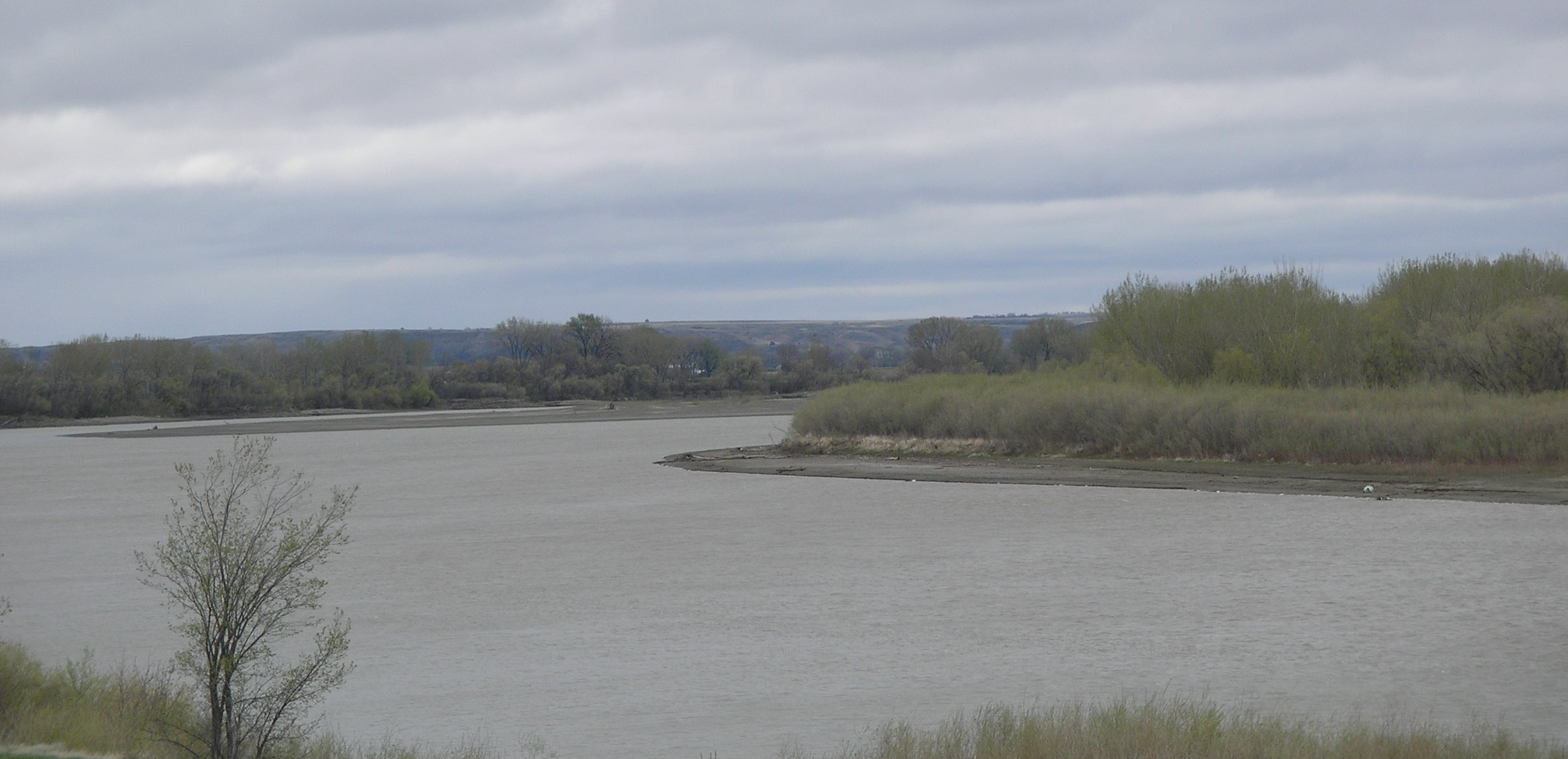
Fort Union was a fur trading outpost in the frigid nethers of the northern High Plains. I call it the “remotest site” for good reason: when it was operating, there were only two ways to get there: by steaming up the Missouri River or traipsing overland through hostile country. That was a trip that would take weeks from pretty much anywhere.

Fort Union and the surrounding area was a place you had damned well better need to get to. This wasn’t a day-trip excursion nor was it a place to try to “find your fortune”. Those Gold Rushers in California or the Klondike wouldn’t have had a snowball’s chance in hell of making it to Fort Union, they’d be dead by Kansas. You had harsh weather and tribes of Native Americans with varying degrees of hostility. The High Plains were not, are not, to be trifled with (ask some  “east coasters” who headed to the Dakotas looking for work during the recent economic collapse, and found themselves struggling through a hard winter). The Dakotas are not for pussies.

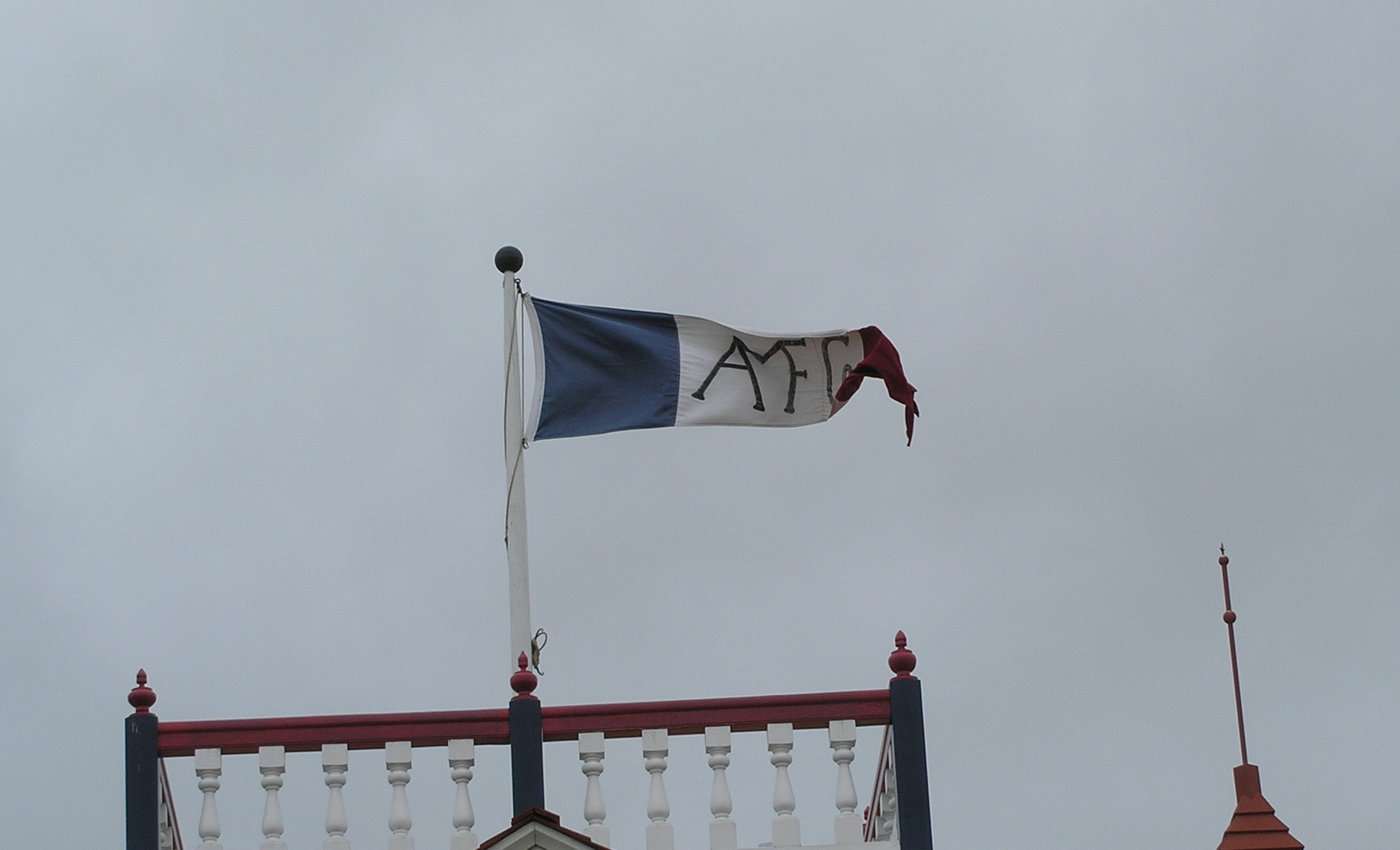
I visited Fort Union Trading Post in April. North Dakota in April isn’t like Connecticut in April. It’s gloomy, gray, damp and cold. There were snow squalls and bitter winds that day. The American Fur Company flag was wipping around the flagpole, and no one lingered outside the fort too long but took shelter inside the reconstructed Bourgeois House and other buildings. That day most certainly gave me a taste of what it must have been like back then.

I could easily imagine gale-force blizzards in the dead of winter, hard-driving rain as one tried to navigate the river, risks of Indian raids as one crossed the prairie, and dangers from wolves for fur-trapping woodsmen. The entire place, even today, inspires visions not of romantic westward journeys, replete with glorious sunsets and starry nights, but of the hazards of a perilous, unruly west. This was where Europeans faced true dangers as they tried to tame a continent.

But amazingly, it’s also where Europeans first managed to foster their fortunes. This trading post, and many others like it, was not founded by the government, but by shrewd businessmen and entrepreneurs. The American Fur Trading Company was owned by none other than John Jacob Astor, the first of the uber-wealthy Americans who would shape a fledgling nation. Money was the driving force for settling the upper plains, whether it was fur trading or ranching or mining in the Black Hills. Money they made, and lots of it. The Astor Family was one of the wealthiest families in all of American history (although it did come to quite a tragic end).

This brings up a topic often discussed in modern-day America. There are those who say the best way to grow the country is to let businesses run things and let the desire for profit and healthy competition move the country along. Economic survival of the fittest will bring us forward. They point to the accomplishments of Astor and other “men of industry” like Thomas Edison, Andrew Carnegie, Henry Ford, Cornelius Vanderbilt, and John D. Rockefeller. These men, and many others, created many of our institutions (colleges and libraries and hospitals and parks), all named for their benefactors and, to this day, influencing the world we live in. They created the processes that propelled America to greatness: trans-continental transportation, metallurgical marvels, electricity and power, and a financial system more powerful than even the British Empire.

I tell ya, there’s a lot to be said for this idea. You look at the best-run businesses in America, and their efficiency, quality, and utility far surpasses that of the Federal Government. There is a certain appeal to the notion that business interests should rule. However, I have to say that, in the end, this is a terrible idea. When people think “government should be run like a business”, they miss the fundamental difference between the role of the government and the role of a business. One needs to only look at the difference between the mission statement in an annual report (“increase shareholder value” = “make money and lots of it”) and the mission statement of the United States, as given in the Constitution (“establish justice, ensure domestic tranquility, provide for the common defense, promote the general welfare, and secure the blessings of liberty …”). The two fundamental missions are drastically different, and therefore incompatible to exist within the same organization.

The men who funded and founded Fort Union Trading Post made a lot of money, for themselves and their progeny. But that money came at the cost of the lives of many, many tough sons-a-bitches who suffered the hardships of the northern plains in their quest for furs or gold. Nowadays, thanks to a government that (theoretically) cares about its citizens, you no longer have to give your lives to the company (unless, perhaps, you work for Big Coal).

[Pics on this post are mine and thusly copyrighted. Do not reuse without my express permission, thanks. More, similarly copyrighted, pics can be found here.]

====================================================

Links:

Fort Union Trading Post National Historic Site

The Fur Trapper

Should Government Be Run Like a Business?

Google map to Fort Union Trading Post

Read Full Post »

Poor Old Upstate

It’s a shame what’s happened to Upstate New York. While the city and Westchester County prosper from the wealth (yes, it still exists) of our heady financial system, Upstate suffers. A trip through Upstate is a trip through a region in decline. Empty factories, empty homes, bankrupt farms, it’s sad really.

What’s really sad is it’s such a beautiful part of the country. You’ve got the Adirondacks, the largest state park in the country, with its dense forests and old, weathered mountains; microbreweries like Saranac, Ithaca, Ommegang, and Old Saratoga (to name but a few); the amazing Thousand Islands; the peaceful Finger Lakes region; and miles and miles of unspoiled farmland. But I guess that’s not enough in this age of globalization, financial ruin, the off-shoring of America’s industrial might and intellectual property, and perhaps the lousiest state government in the country.

The other thing New York has to offer is a storied past. It can be argued that New York is a state with greater historic significance than any other state in the Union. This state was a central battleground in the French & Indian War, the Revolution, and the War of 1812. It didn’t factor heavily in the Civil War (other than contributing thousands of troops and the famous NYC draft riots), but during WWI and WWII the city was the great port for the embarkation of millions of troops. Ellis Island and the Statue of Liberty were seen by millions of immigrants, from which the majority of the population now descends. Three Presidents were born in the state, and one (William McKinley) was murdered there. There’s a lot of history in New York’s borders, and significant portions of that in Upstate.

Fort Stanwix is one of those historic spots in this great state. It’s smack-dab in the middle of Upstate, right outside Rome, NY. It, along with sister forts Ticonderoga and Saratoga, factored heavily in the Saratoga Campaign during the Revolutionary War. Today, it’s been reconstructed and is the sight of regular re-enactments and special events. Stop by next time you’re trucking across the state at 85 MPH, trying to get wherever you’re going in such a damned hurry. While you’re at it, stop by Howe Caverns, the Baseball Hall of Fame, any of the numerous covered bridges over the Hudson, Lake Placid’s Olympic training facility, the Herkimer Diamond Mines …

New York: much, much more than the Five Burroughs. Check it out. Tell ’em Barky sent ya. 🙂

[Sadly, I didn’t own a digital camera when I visited Fort Stanwix, or the Adirondacks, or anywhere else I visited during my two-week swing/stay through the state. But I do have fond memories of the place. Pics & graphic from the National Park Service.]

=============================================

Links:

Fort Stanwix National Monument

The pretty ugly, but pretty complete, Adirondacks.com

Everything you wanted to know about Herkimer diamonds

The Lake Placid Pub & Brewery

Google map to Fort Stanwix

Read Full Post »

« Newer Posts - Older Posts »